The underwater arms race
The global undersea arms race is transforming not just navies but the engineering profession behind them. Workforce, digital capability and nuclear stewardship are now as strategically important as the platforms themselves.
The Naval Architect provides in-depth information on all aspects of vessel design, construction and engineering. Practical applications of latest technology and case studies are accompanied by analysis and foresights. Published every two months, the magazine covers everything from superyachts and short-hop ferries to tankers and heavy-lift vessels; from battery pack installations and sail-assisted solutions to LNG tank retrofits; and from offshore safety to warship resilience.
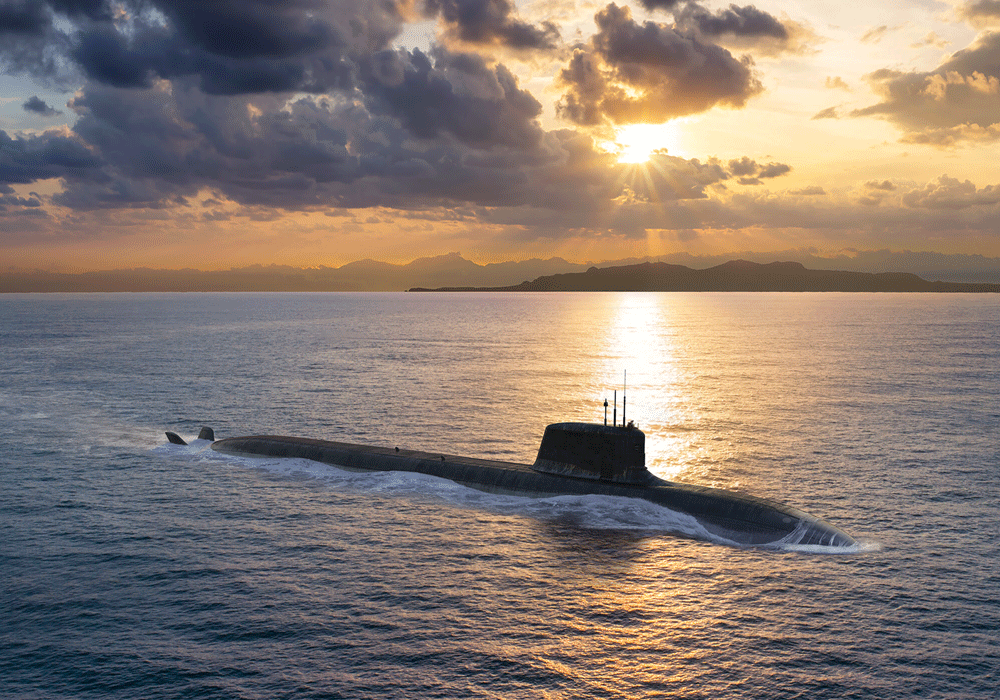
The global undersea arms race is transforming not just navies but the engineering profession behind them. Workforce, digital capability and nuclear stewardship are now as strategically important as the platforms themselves.
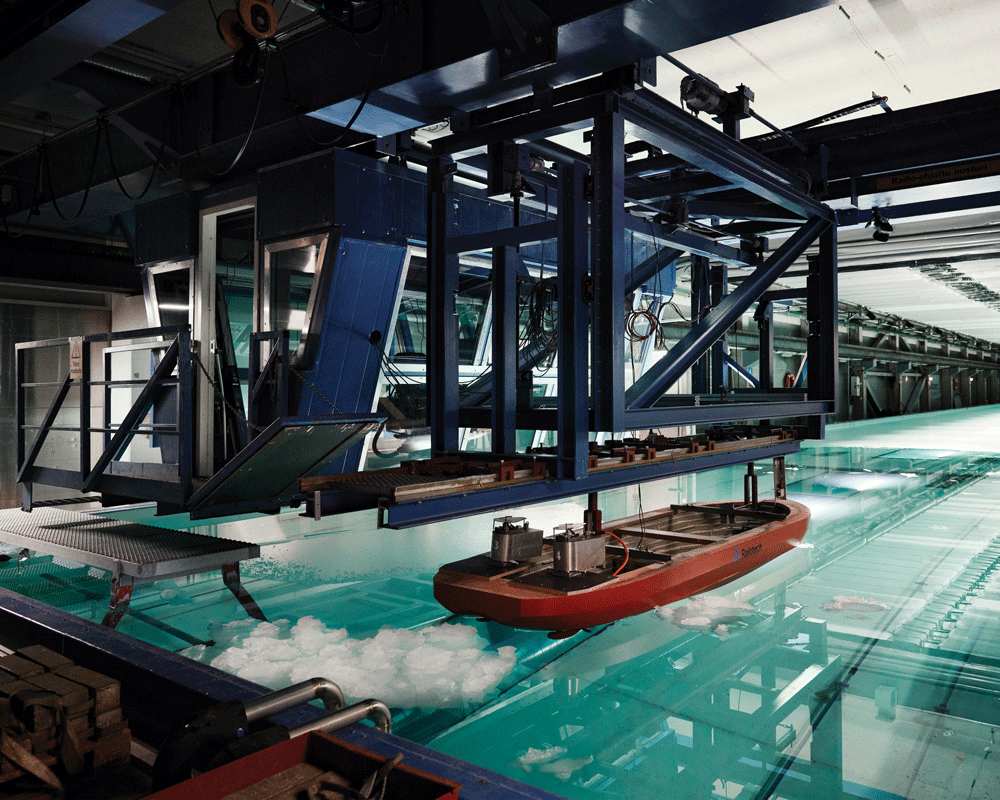
As the climate warms, there’s growing interest in transiting once unnavigable seas. Amy McLellan explores ways to support increased shipping in ice-affected waters.
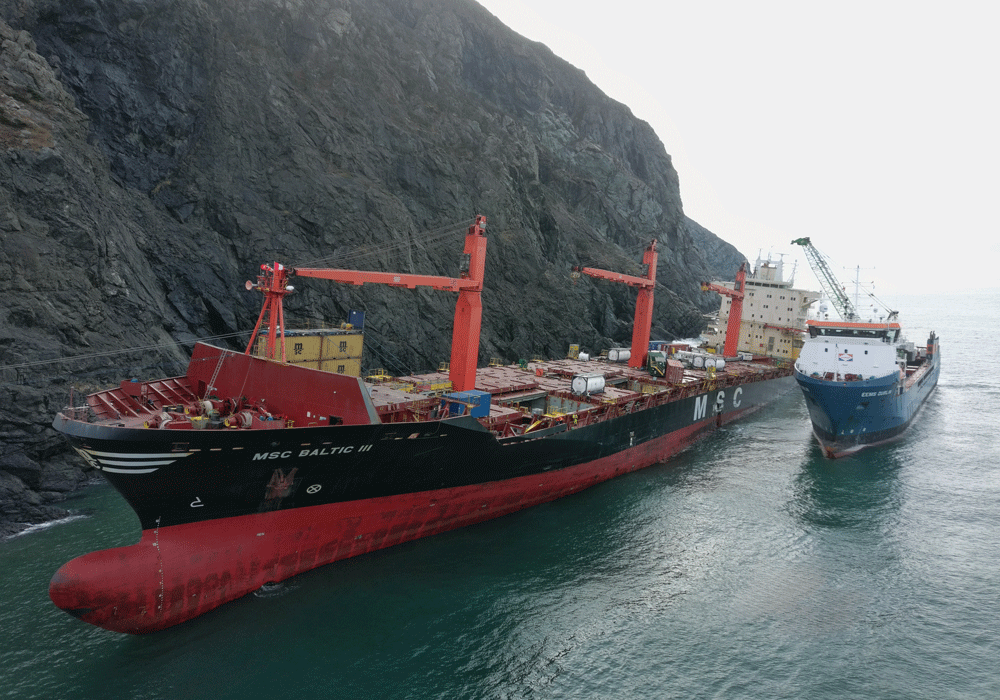
More than a year after the containership Baltic III grounded on the remote Newfoundland coast during a severe storm, a wreck removal plan is finally in place, but the complex and challenging operation still has years to run, and important questions remain.

Welcome to the latest issue of The Naval Architect. I am honoured to have been elected President of RINA, and I would like to thank members for the confidence and trust you have placed in me.
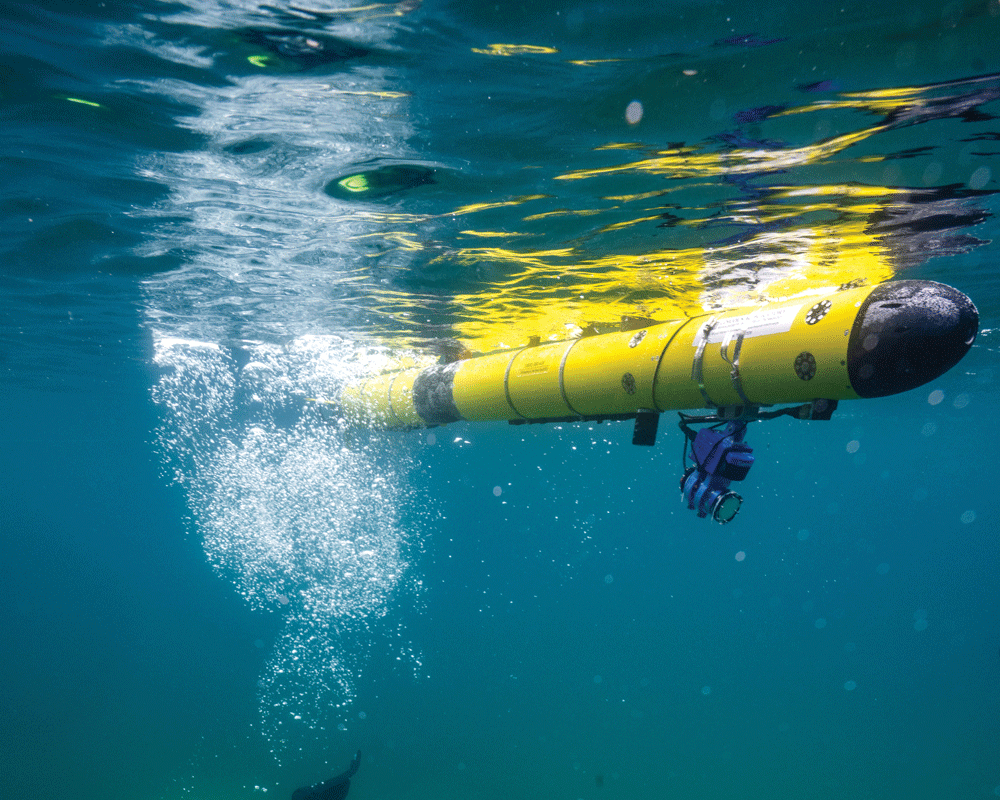
Researchers address capability gaps in underwater navigation and perception.
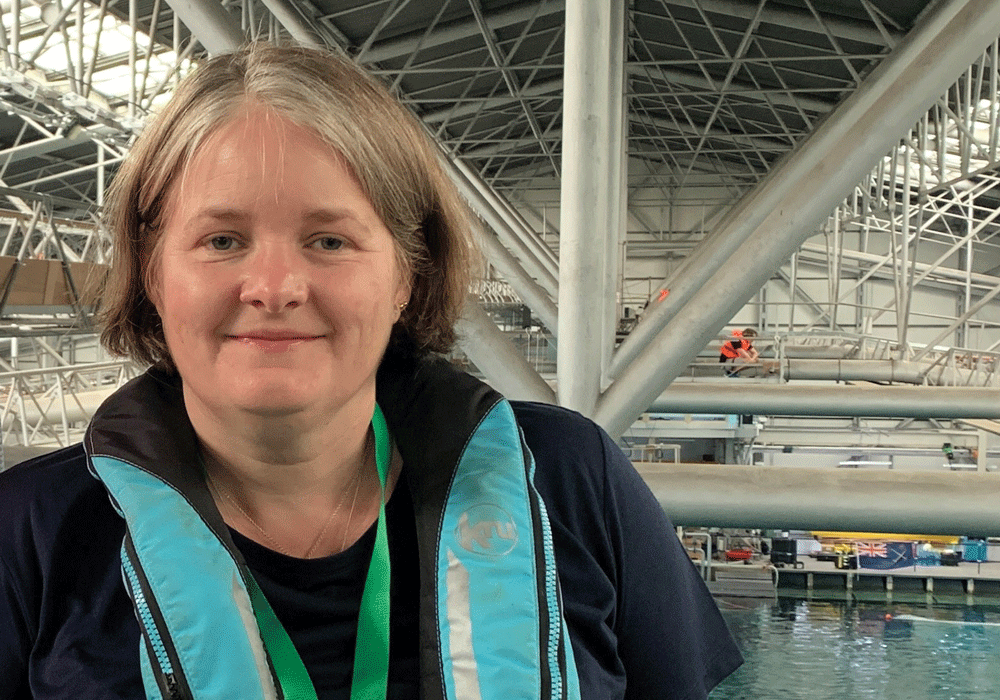
Catriona Savage on the pace of change in her time as RINA president.
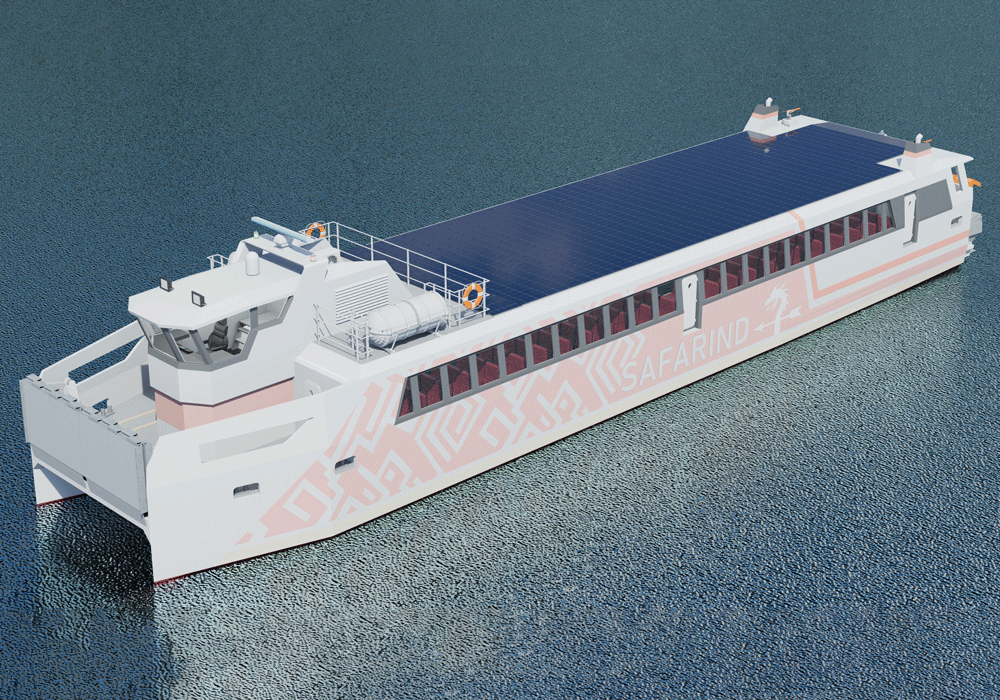
Team Nagapasa’s flat-bottomed catamaran ferry won the WFSA’s Maritime Student Design Competition, meeting the constraints of a shallow, hazard-prone river route with a design built for affordability and local construction.
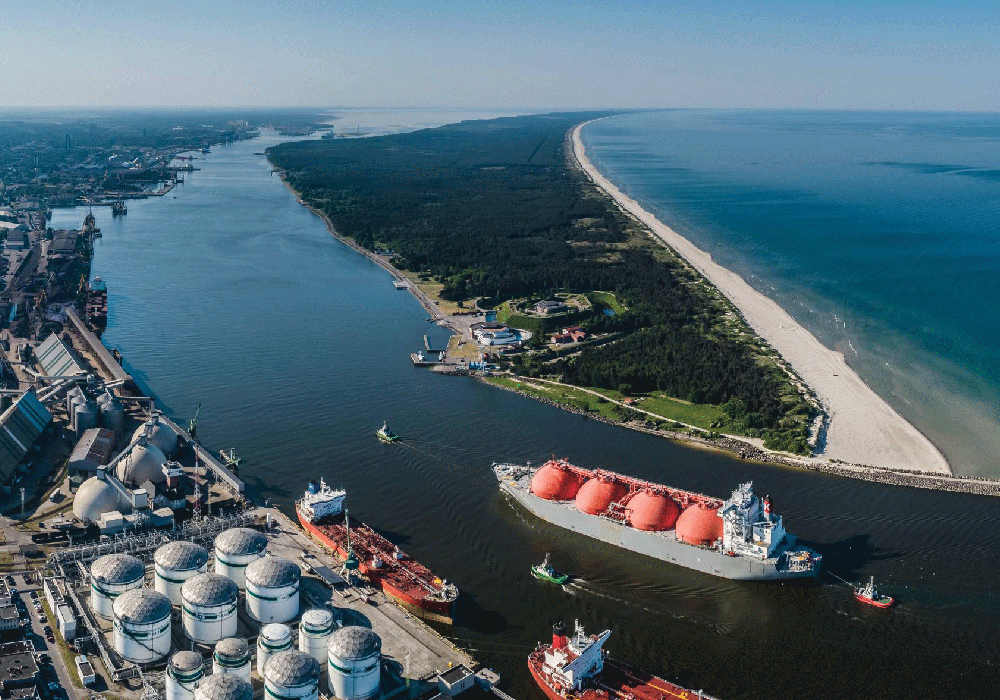
Aker wins contract for CO2 terminal in Lithuania; and First battery-methanol-powered tug set to sail.

Evangelos Boulougouris on using artificial intelligence in ship design.
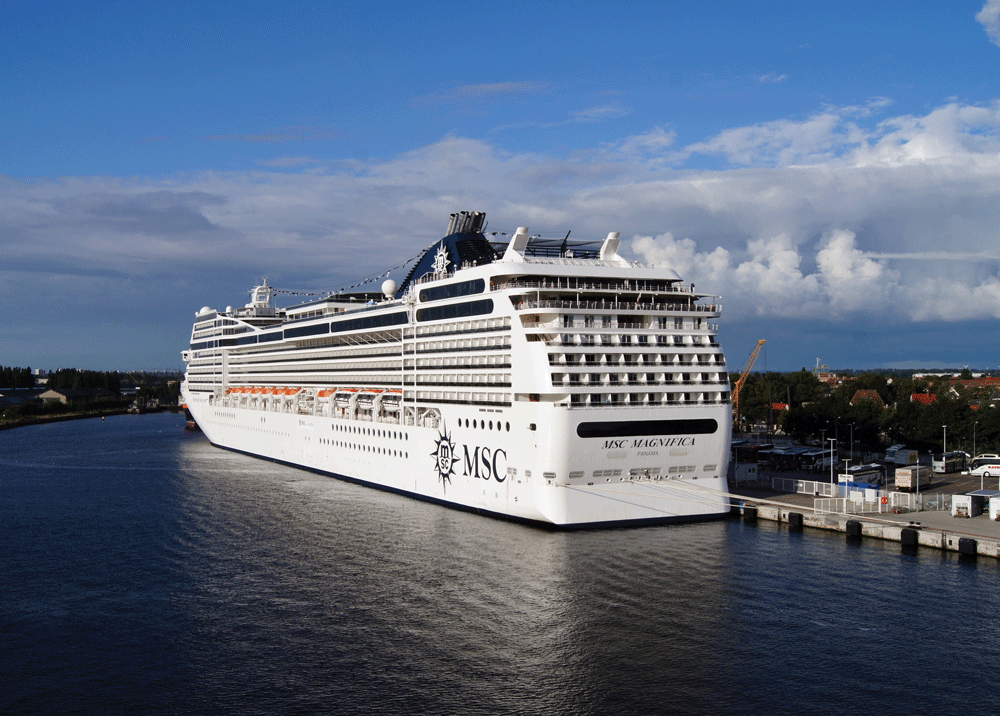
A report from Lloyd’s Register, Fuel for Thought: LNG for Cruise, says liquefied natural gas is established as the dominant alternative fuel in the sector by a considerable margin, evidenced by the fact that 30 LNG-fuelled cruiseships of 20,000GT and above are in service and a further 29 are on order. What does that mean for naval architects?
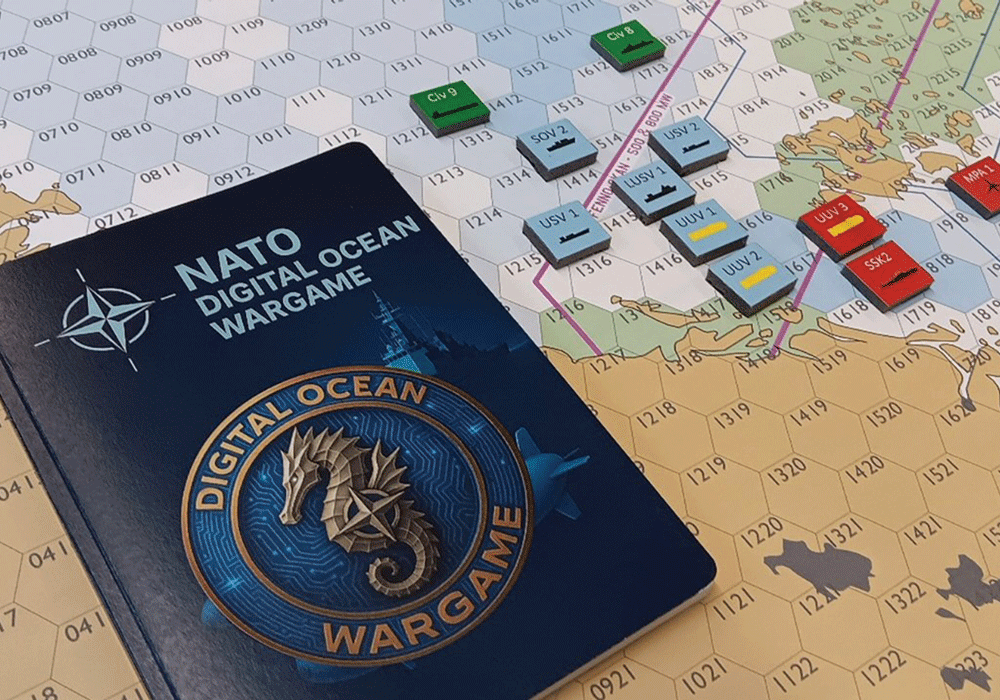
RINA’s Warship 2026: Submarines conference, on 24-25 June 2026, University of Bath. How a wargame series is being used to help combat hostile underwater activity.
Stay connected with the global maritime community through RINA’s newsletters.
Whether you are a member or not, you can receive updates from The Naval Architect, alongside selected RINA news, events and industry insights. Members also gain access to a wider portfolio of exclusive newsletters on key topics in the maritime industry.