

Why anchoring system layout deserves greater design attention
As vessel designers push the boundaries of space and efficiency, the humble anchoring system is increasingly caught in the squeeze.
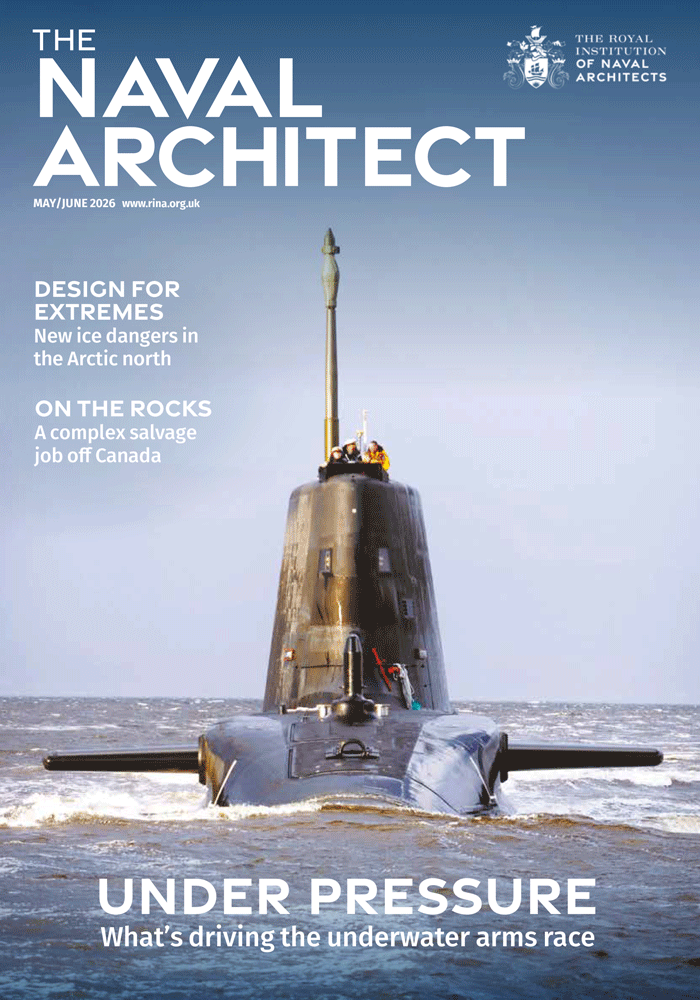
The Naval Architect provides in-depth information on all aspects of vessel design, construction and engineering. Practical applications of latest technology and case studies are accompanied by analysis and foresights. Published every two months, the magazine covers everything from superyachts and short-hop ferries to tankers and heavy-lift vessels; from battery pack installations and sail-assisted solutions to LNG tank retrofits; and from offshore safety to warship resilience.
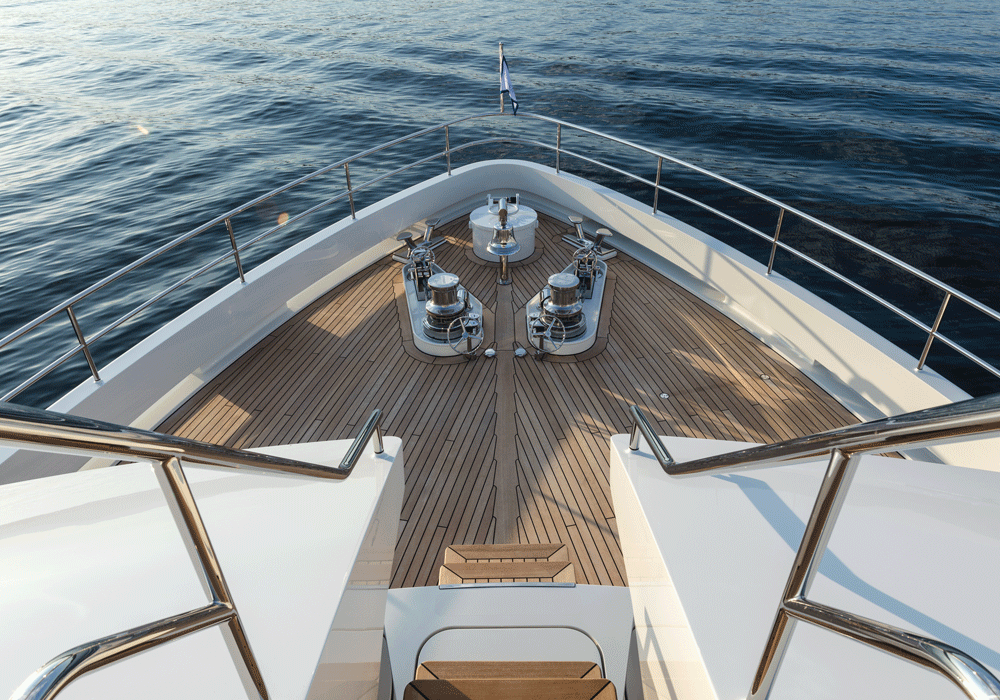
As vessel designers push the boundaries of space and efficiency, the humble anchoring system is increasingly caught in the squeeze.
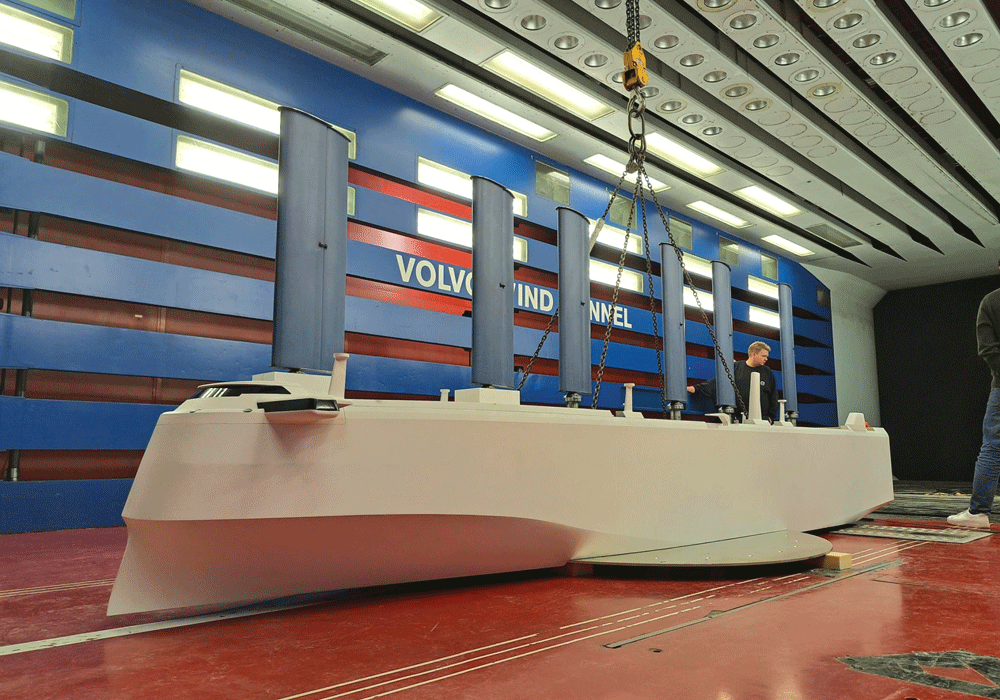
DNV’s senior principal engineer, Hasso Hoffmeister, examines the evolution of wind-assisted propulsion systems, and what comes next.

Welcome to the latest edition of The Naval Architect. Eight months into my tenure as CEO, my initial focus has been on strengthening RINA’s foundations and accelerating delivery of the strategic changes required for our next exciting phase, outlined here.
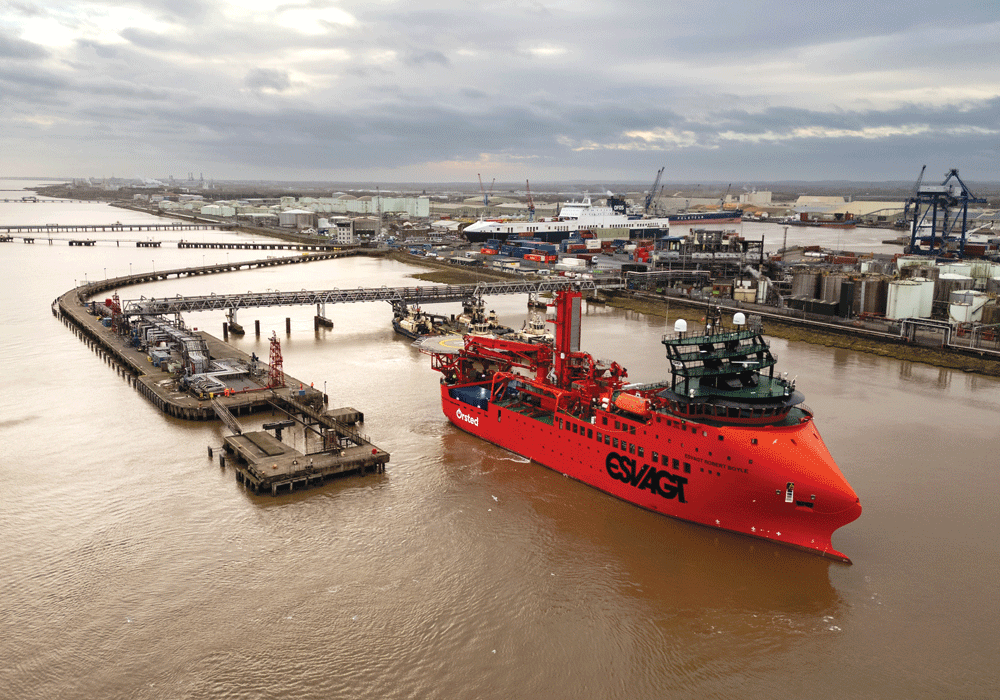
UK’s first commercial biomethanol bunkering service launches at Port of Immingham.
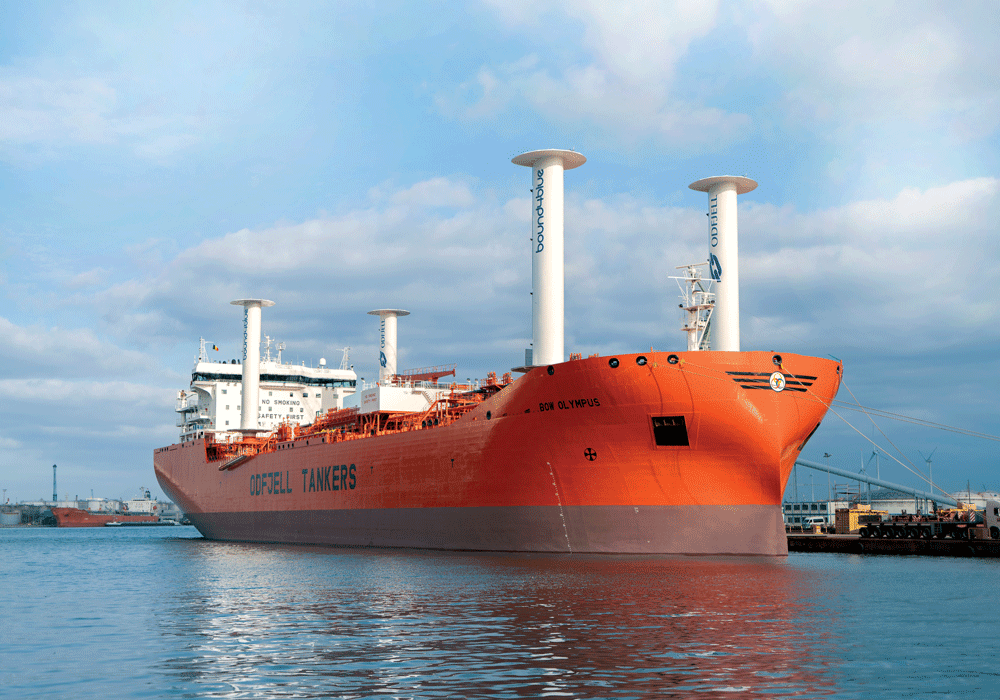
Examining how energy saving devices have helped Odfjell slash its fuel costs across its chemical tanker fleet.
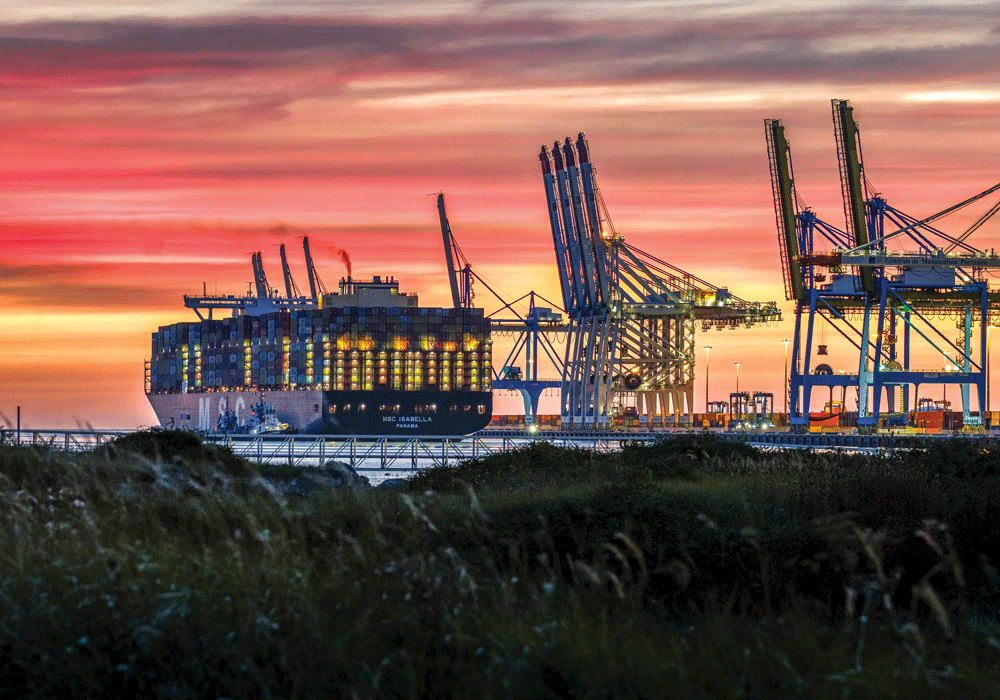
China is moving with unusual institutional weight to position itself at the centre of the global maritime energy transition. A blueprint backed by 10 central government ministries has set Shanghai on course to become a leading green bunkering hub by 2030.
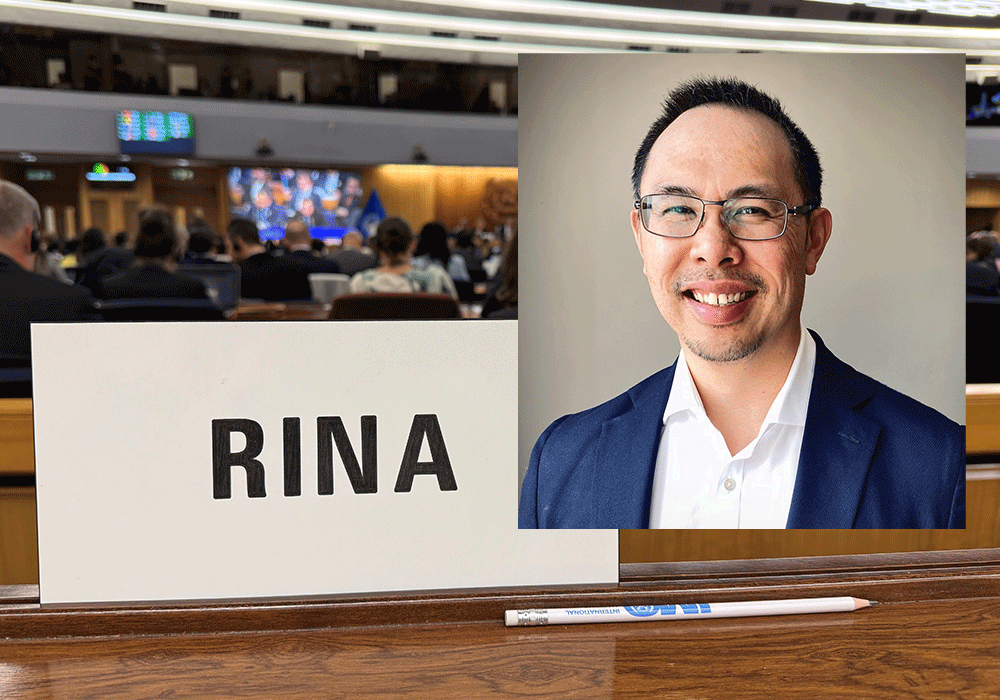
RINA speaks to Edwin Pang, founder of consultancy Arcsilea, about his career to date and notable role as RINA IMO Committee chair.
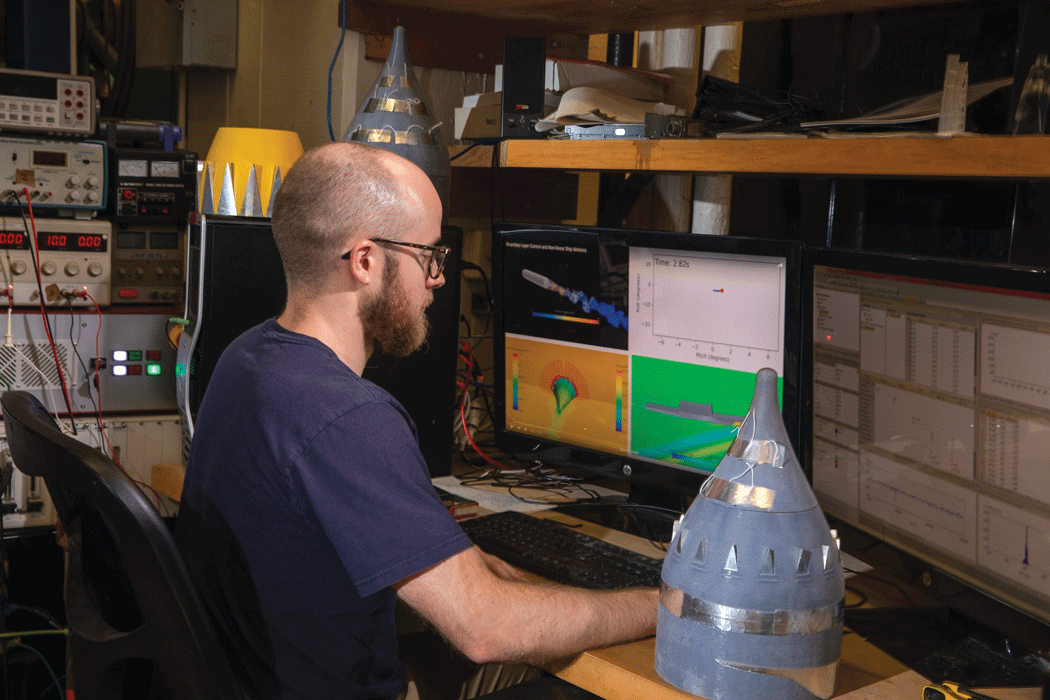
Study shows how wedge-shaped vortex generators reduce drag in ship hulls, which could help in the drive to decarbonise the shipping industry.

Khaled M Karmous explains his patented high-pressure water jet system that is showing promise as a new class of active friction-reduction technology, designed to cut fuel consumption by reducing hull drag.
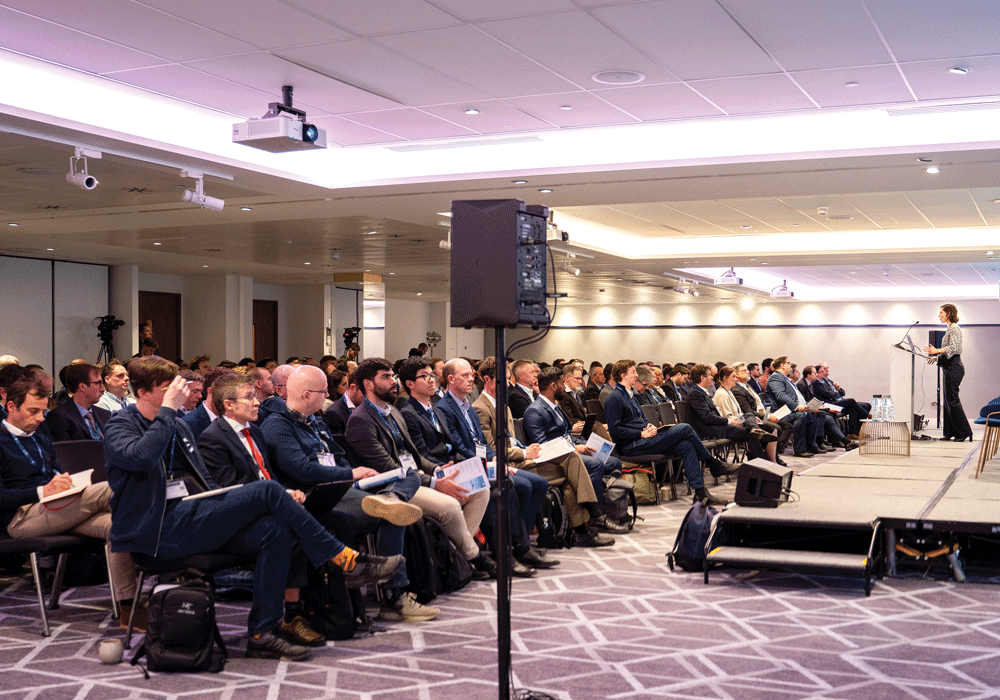
RINA’s conference brought together industry leaders to examine how wind propulsion technologies are moving from concept to fleet-level implementation.
Read stories from across our global community, including our new specialist e-newsletters across Power & Sustainability, Ship Repair & Maintenance, Warship Technology, Ferries & Fast Craft and Offshore Technology.
As vessel designers push the boundaries of space and efficiency, the humble anchoring system is increasingly caught in the squeeze.
DNV’s senior principal engineer, Hasso Hoffmeister, examines the evolution of wind-assisted propulsion systems, and what comes next.
Welcome to the latest edition of The Naval Architect. Eight months into my tenure as CEO, my initial focus has been on strengthening RINA’s foundations and accelerating delivery of the strategic changes required for our next exciting phase, outlined here.
UK’s first commercial biomethanol bunkering service launches at Port of Immingham.
Examining how energy saving devices have helped Odfjell slash its fuel costs across its chemical tanker fleet.
China is moving with unusual institutional weight to position itself at the centre of the global maritime energy transition. A blueprint backed by 10 central government ministries has set Shanghai on course to become a leading green bunkering hub by 2030.
RINA speaks to Edwin Pang, founder of consultancy Arcsilea, about his career to date and notable role as RINA IMO Committee chair.
Study shows how wedge-shaped vortex generators reduce drag in ship hulls, which could help in the drive to decarbonise the shipping industry.
Khaled M Karmous explains his patented high-pressure water jet system that is showing promise as a new class of active friction-reduction technology, designed to cut fuel consumption by reducing hull drag.
RINA’s conference brought together industry leaders to examine how wind propulsion technologies are moving from concept to fleet-level implementation.
Keep up to date on the latest news, insights and innovations from across the maritime community. Our flagship title, The Naval Architect, covers everything from commercial shipping and small craft to defence and advanced design, while our yearly publication Significant Ships, showcases the most innovative and commercially important vessel designs of the prior year.
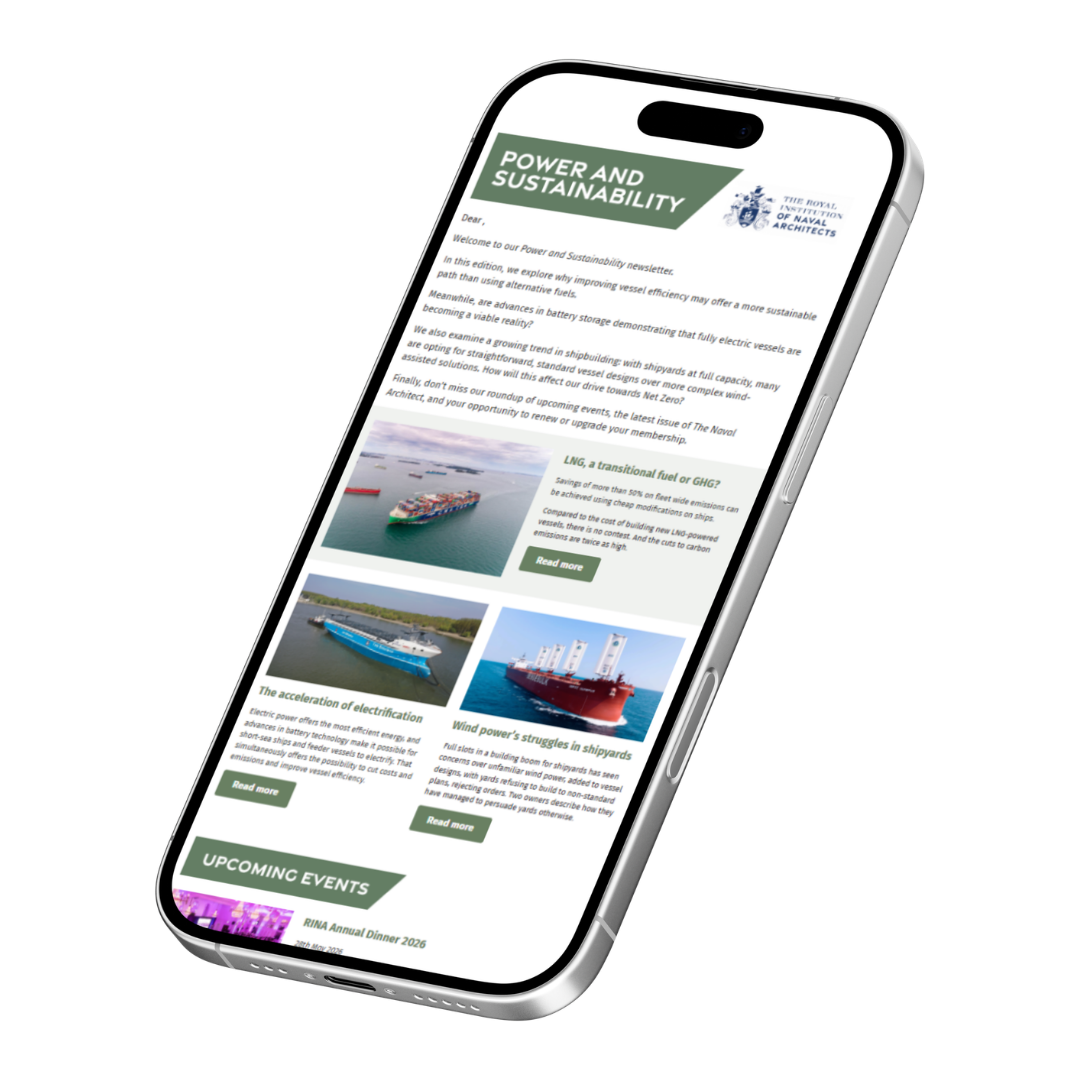
Stay connected with the global maritime community through RINA’s newsletters.
Whether you are a member or not, you can receive updates from The Naval Architect, alongside selected RINA news, events and industry insights. Members also gain access to a wider portfolio of exclusive newsletters on key topics in the maritime industry.
RINA has published technical papers and maritime research since 1860, creating an extensive record of developments across naval architecture and marine engineering.
Explore the Institution’s historic Transactions and the International Journal of Maritime Engineering (IJME), which continues this tradition by publishing peer-reviewed research and technical discussion from across the maritime sector.
Explore RINA’s collection of maritime knowledge, including historic magazines, journals and Transactions dating back to 1860, reviewed conference papers, and the catalogue of the Denny Library.
Our team is continuing to digitise and expand the archive, making more of the Institution’s technical content available on demand.