

The full article is available to our Members and registered users. If you are a Member, please sign in to continue reading. If you are not a Member, you can access 1 complimentary article this month by registering for a free account.
Become a Member to access the full range of RINA’s technical publications, articles and professional resources.
LNG for cruise: the design implications
24th Jun 2026
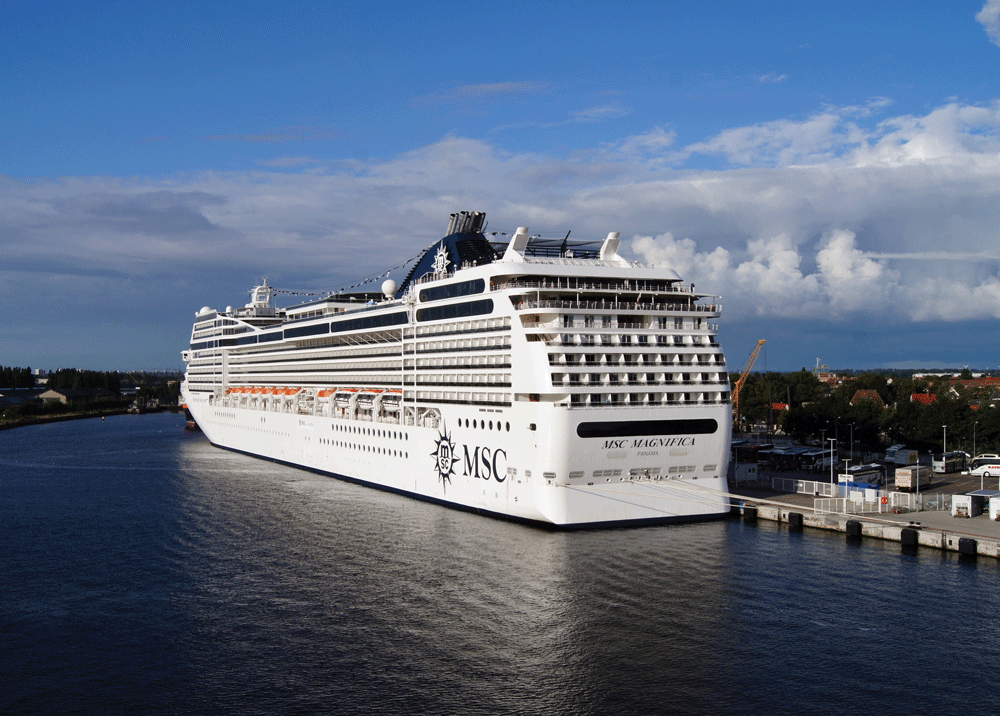
MSC Cruises is transitioning its passenger fleet to LNG to improve energy efficiency
The most fundamental design constraint the report addresses is one naval architects have grappled with since the first LNG-fuelled cruise vessels entered service: volumetric penalty. LNG requires three to four times the storage volume of marine diesel oil for equivalent energy content, with storage temperatures held at approximately -162°C in atmospheric tanks.
The implications for hull form, internal arrangement, stability and cargo or passenger capacity are substantial. The fuel gas supply system, designed to handle cryogenic, low-flashpoint fuel and manage boil-off gas, represents a further layer of complexity that must be resolved at concept stage rather than retrofitted.
Propulsion system selection carries consequences that extend well beyond