

The full article is available to our Members and registered users. If you are a Member, please sign in to continue reading. If you are not a Member, you can access 1 complimentary article this month by registering for a free account.
Become a Member to access the full range of RINA’s technical publications, articles and professional resources.
The underwater arms race
24th Jun 2026
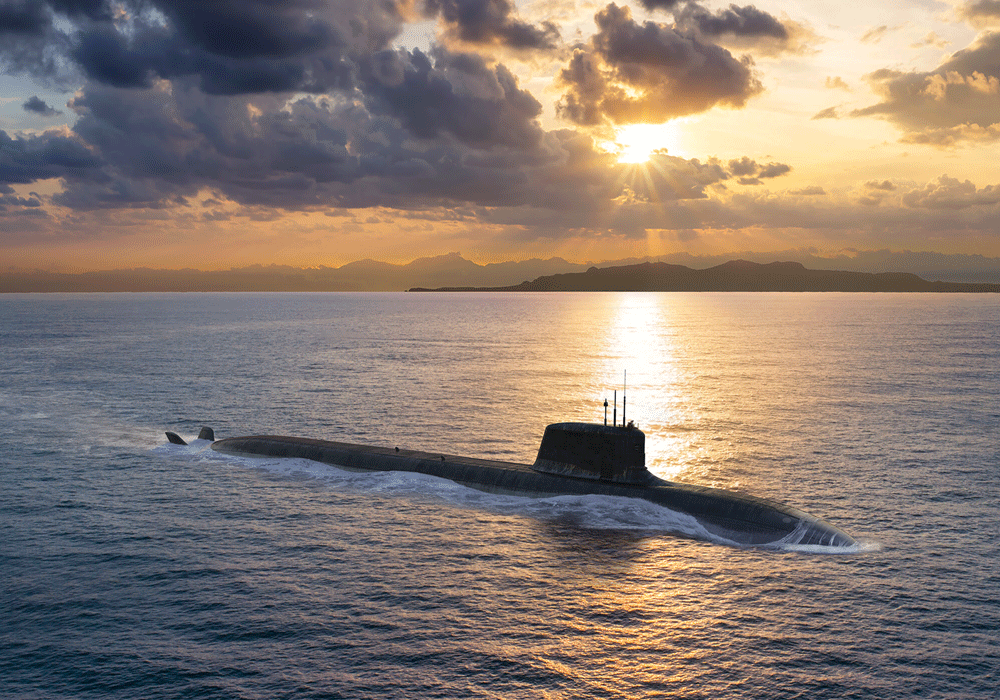
The UK's BAE Systems is building Astute-class and Dreadnought-class submarines (image: BAE Systems)
The return of great-power rivalry, wars in Ukraine and the Middle East, rising tensions in the South China Sea and growing concern over seabed infrastructure have pushed undersea capability back to the centre of military planning. But this is not simply a contest of fleet numbers. The underwater arms race today is a structural transformation of the global maritime system, reshaping deterrence, intelligence gathering, seabed infrastructure protection and the balance of power across the Atlantic, the Indo-Pacific and the Arctic. As First Sea Lord General Sir Gwyn Jenkins told delegates at the Combined Naval Event in Farnborough in May 2026: “We are at a fork in the road, and the decisions we take now will have seismic and lasting consequences.”
After decades of relative underinvestment, major powers and emerging maritime nations are recapitalising underwater capability at a pace not seen since the Cold War. This renewal spans not only submarines but anti-submarine warfare systems, autonomous underwater vehicles, support fleets, seabed surveillance networks and the protection of critical underwater infrastructure. The geopolitical landscape is simultaneously reshaping procurement strategy, with intergovernmental collaboration, export partnerships and industrial allegiances all playing a pivotal role alongside raw capability.
A global competition
The scale of that competition is most visible in the contest between