

A chance conversation, a career course change
The Naval Architect
Charlotte Dodge
Charlotte Dodge opens the September/October issue of TNA, sharing how a chance conversation shaped her naval architecture career and commitment to supporting maritime professionals at every stage.
Challenging universities
The Naval Architect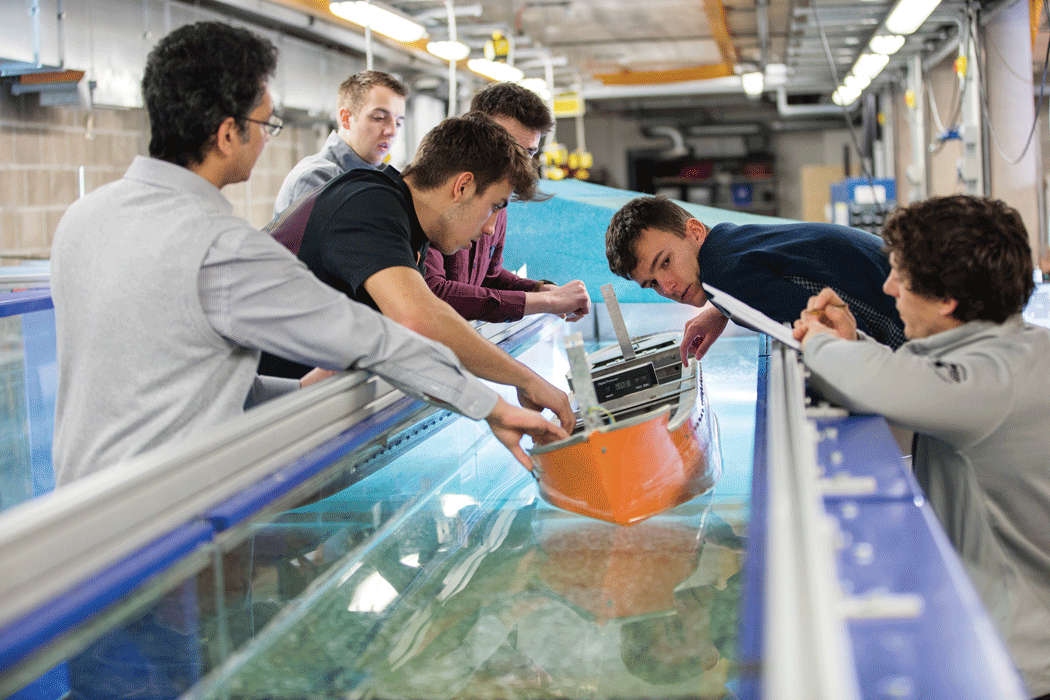
Students take part in a practical session using the wave flume in Plymouth University's Marine Building.
From defence and autonomy to alternative fuels and AI, naval architecture is being reshaped by rapid change across the maritime industry. Amy McLellan looks at how 20 leading universities are responding to the challenge.
Japan puts shipbuilding to the fore as a national strategic priority
The Naval Architect
Hideaki Saito, Shipbuilders' Association of Japan.
Hideaki Saito examines the rise and fall of the island nation’s shipbuilding industry and how the country plans to revive its seafaring fortunes.
Reverse bow, forward thinking
The Naval Architect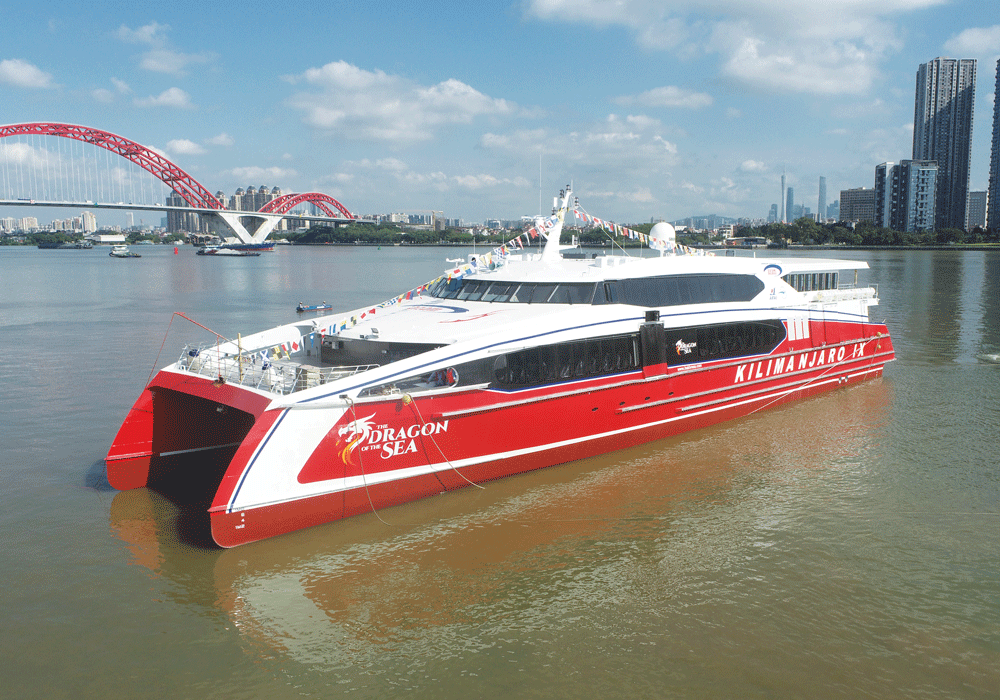
Kilimanjaro IX
Incat Crowther delivers Azam Marine’s newest catamaran, bringing aviation-inspired styling and a 679-passenger capacity to East Africa’s busiest ferry corridor, says Bruno Cianci.
'We need more folk who know how things float'
The Naval Architect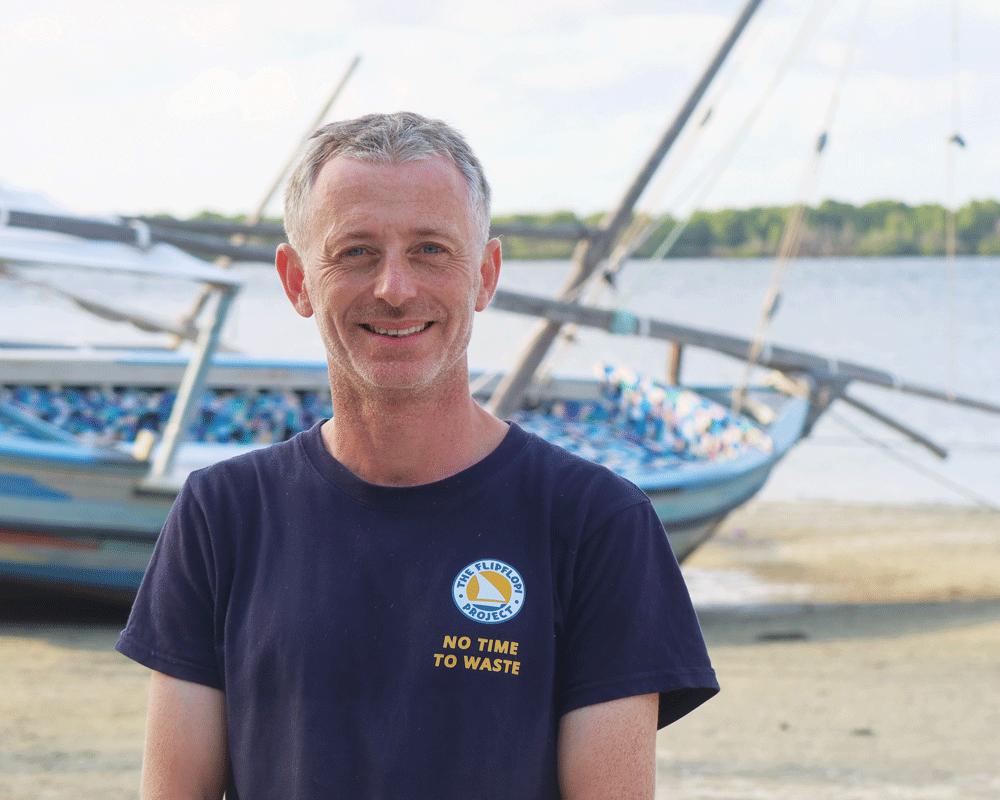
Simon Benson
Simon Benson looks at how to create the best talent pipeline to cater for the growing offshore renewables sector.
The skill we rarely teach: Engineering Judgement
The Naval Architect
James Gladman
While technology has opened up a world of possibilities, it cannot remove the need for sound judgement, argues James Gladman.
Wing-win situation
The Naval Architect
Glasswing butterflies.
Inspired by the anti-reflection properties of glasswing butterfly wings, a research team plans to roll out a series of enhanced prototype solar panels by 2029.
Wanted: Skills for the 21st century
The Naval Architect
Babcock is investing heavily in apprenticeship and graduate courses (image: Babcock)
Rising orders, retiring staff and a fast-changing design toolkit are testing naval architecture’s skills base. How the profession trains its next generation, and where it looks for new talent, will shape who designs and builds the world’s fleet for decades to come.
Professional development: Journey of a lifetime
The Naval Architect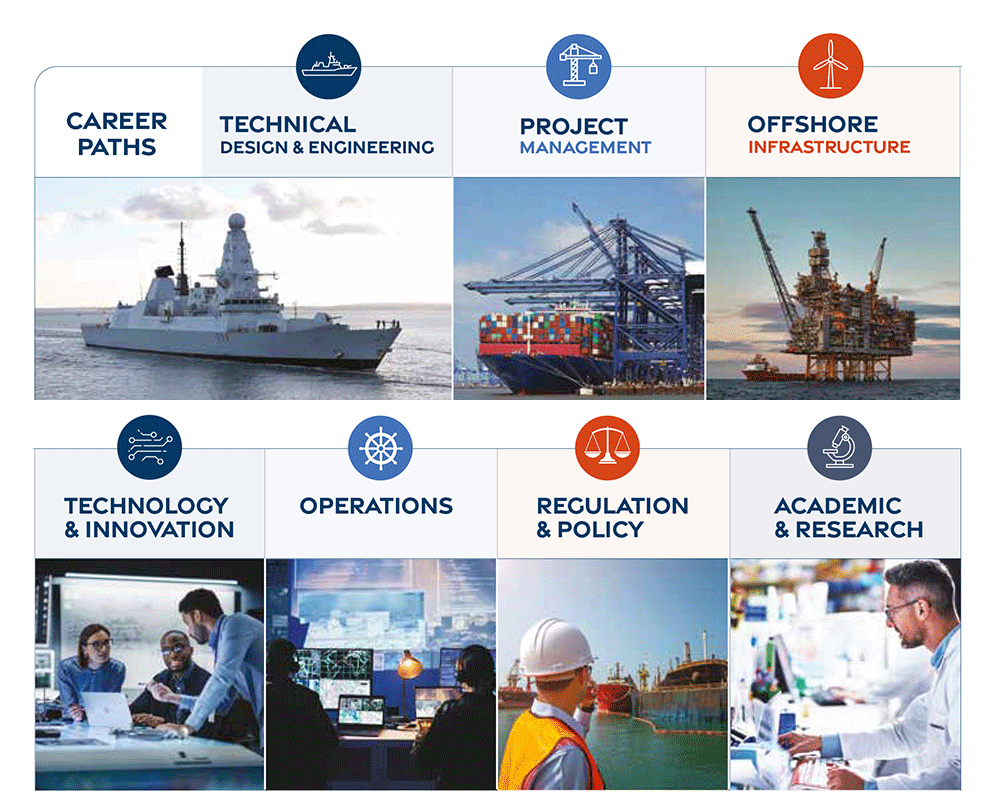
The scope of the maritime industry is vast with a wide range of career paths to follow. Let RINA help you chart the best course for you.
History in the making
The Naval Architect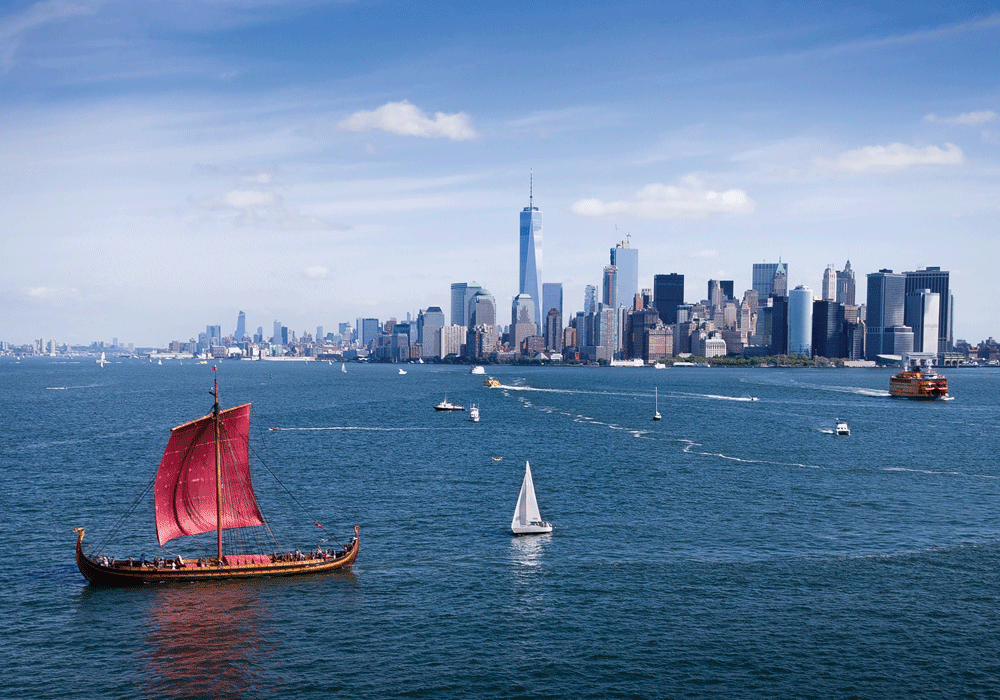
Image: NYC, Draken Harald Hårfagre/Peder Jacobsson
The Big Picture: Draken Harald Hårfagre is the world’s largest Viking ship sailing in modern times.
USV supports mapping of global seabed
The Naval Architect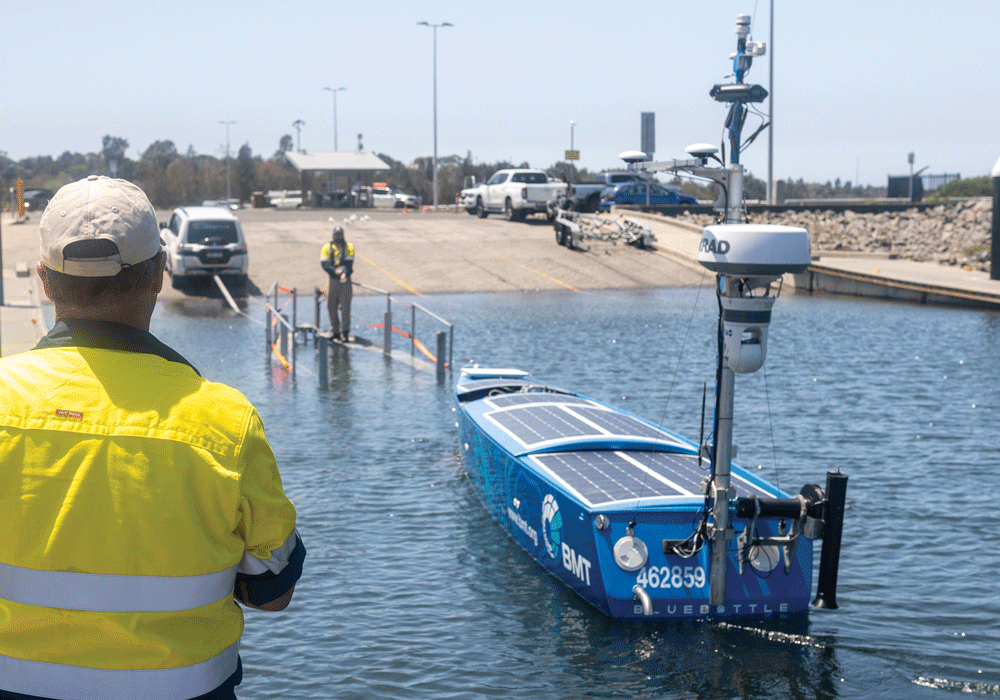
The Deep Blue Project USV gathers real-time maritime data in coastal and offshore environments.
An uncrewed surface vessel fitted with metocean sensors, feeding into a cloud-based analytics platform, is set to support one of the maritime sector’s largest data gaps, the mapping of the world’s ocean floor.
AYK Energy showcases containerised battery
The Naval Architect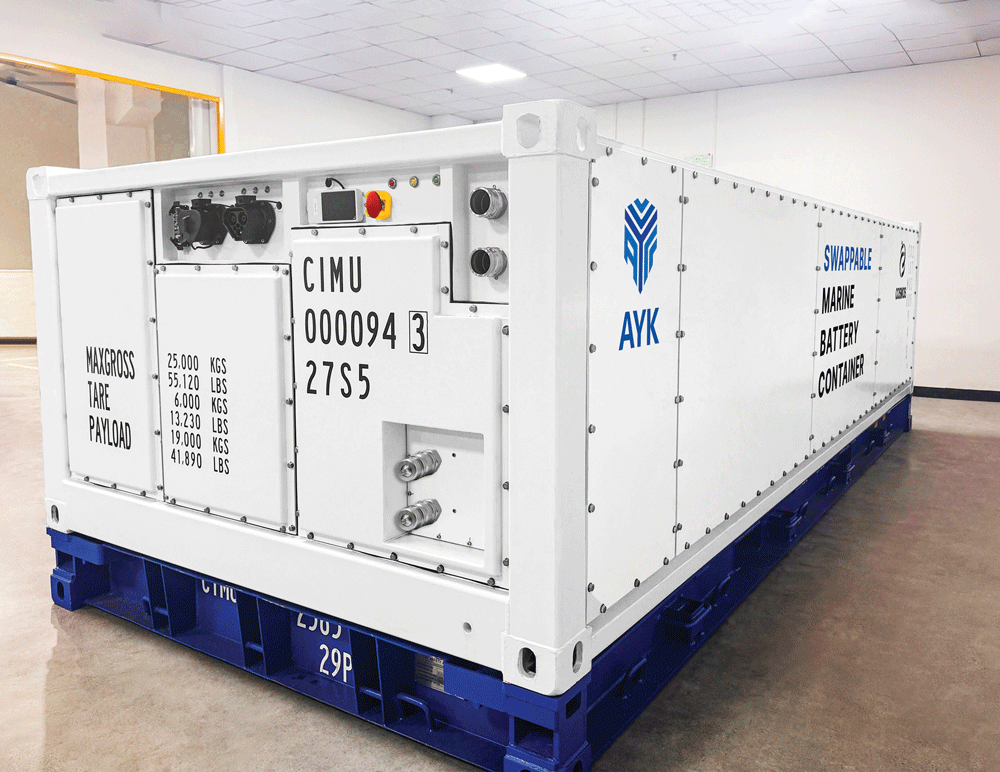
According to AYK, the containerised design removes the need for a dedicated battery room.
Marine battery manufacturer AYK Energy unveiled what it describes as the world’s first swappable containerised marine battery system at SMM in Hamburg.