

We share our activities, news and upcoming events including meetings, presentations, CPD and technical talks, on our LinkedIn
 Royal Institution of Naval Architects - New Zealand Division
About US
The Royal Institution of Naval Architects is represented in New Zealand by the RINA New Zealand Division. The division is governed by the RINA NZ Council, which is elected by members resident in New Zealand. The division has members located all over New Zealand, in the North and South Islands and with the biggest presence located in Auckland.
The New Zealand division of the Royal Institution of Naval Architects was formed on 1st January 2001 by the merger of the Naval Architectural Society of New Zealand and the Royal Institution of Naval Architects.
The New Zealand Division is responsible, through the NZ Division Council, for furthering the Objects of the Institution, by the organisation of technical conferences and meetings, liaison with national agencies and organisations, dissemination of information of national and international interest, professional development and training of members and the enhancement of the professional standing of the Institution and its members in New Zealand.
Committee Members:


James Flett
Vice-Chairman
Jason Smith
Secretary
Susan Lake
Treasurer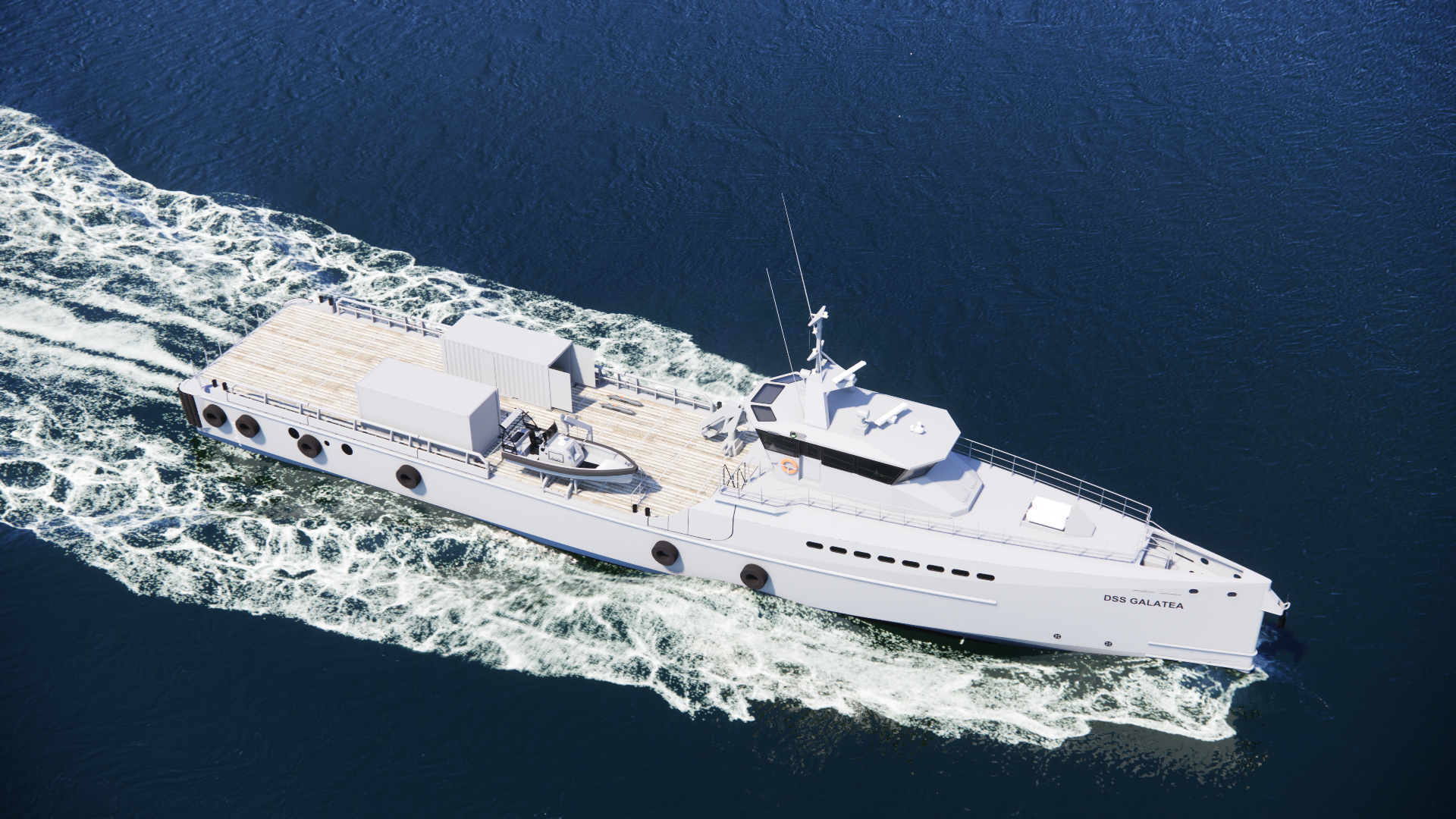
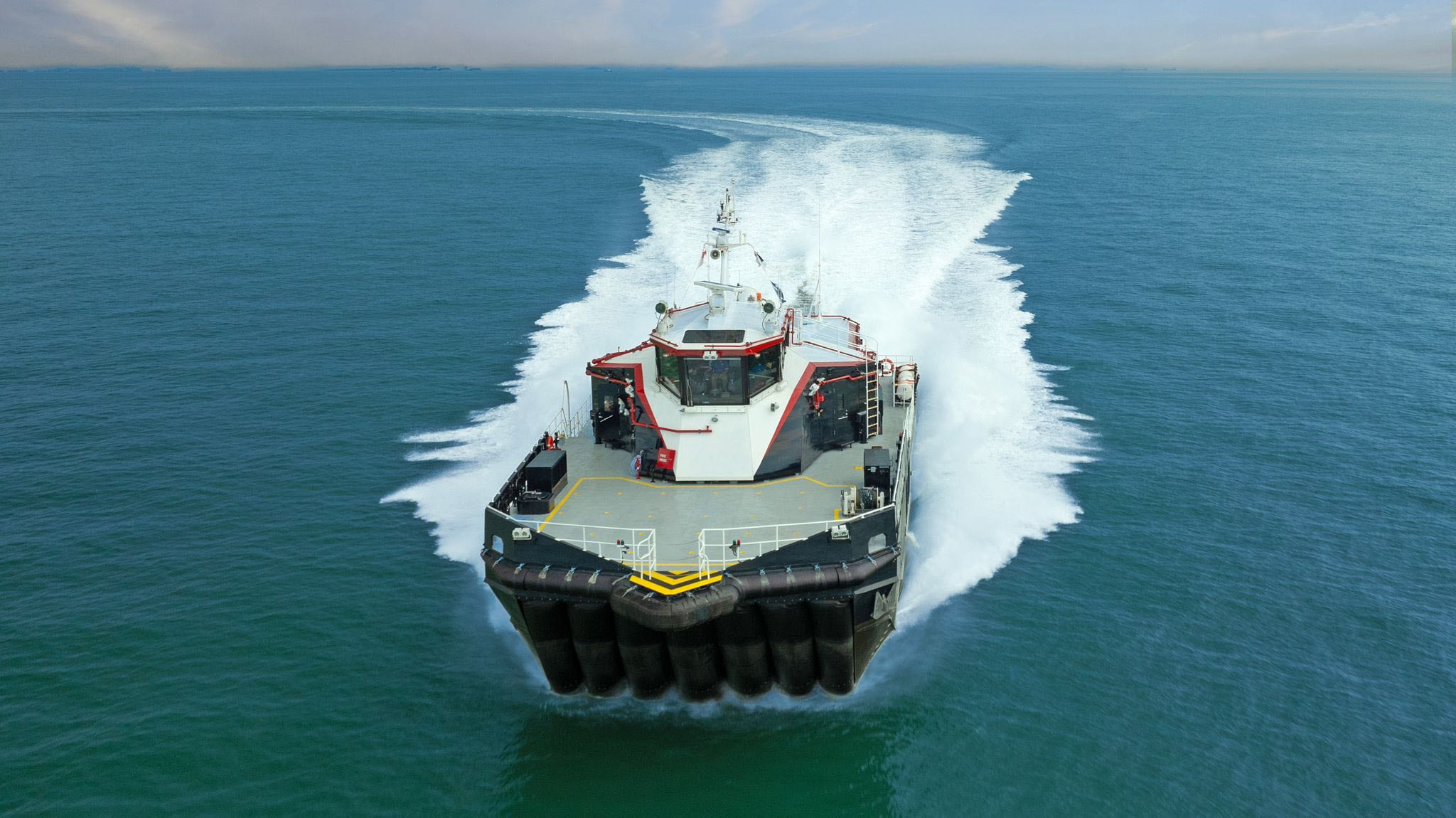
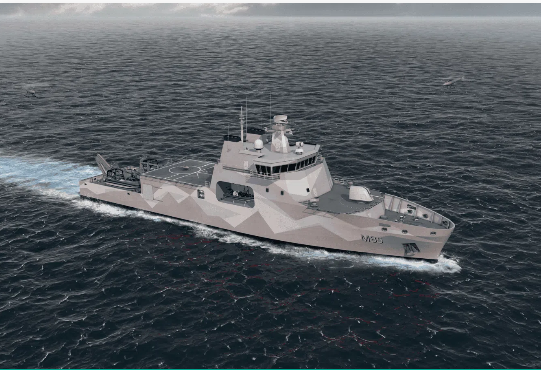
Aircat on the attack
Singapore-based shipbuilder Strategic Marine has signed a memorandum of understanding with US-based Eureka Naval Craft to collaborate on the construction of the first Aircat Bengal MC Modular Attack Surface Craft.

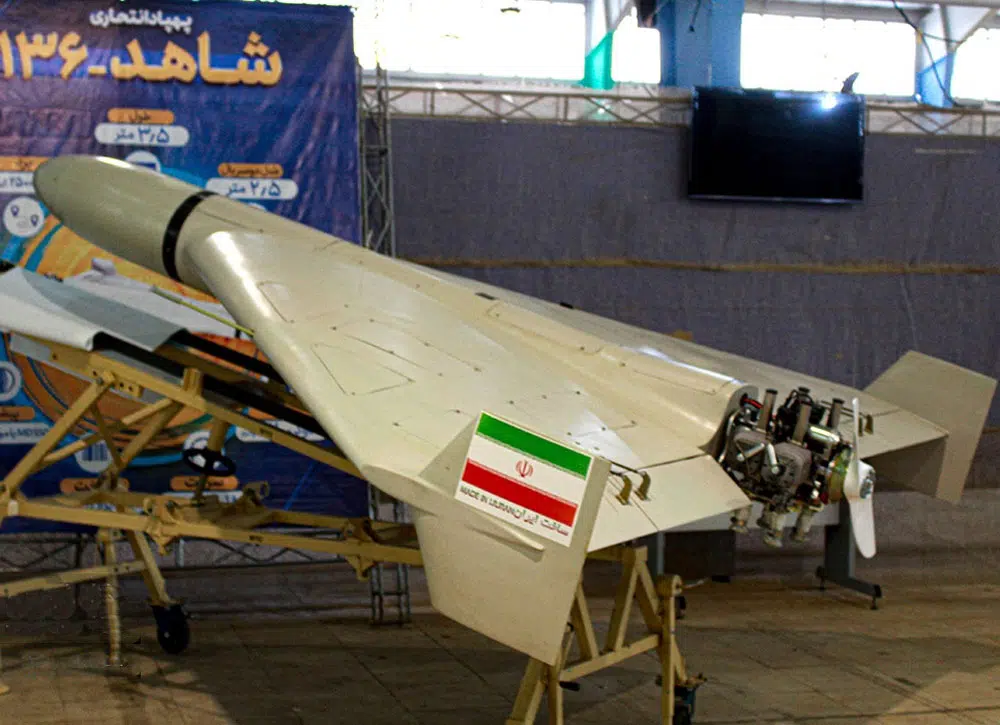
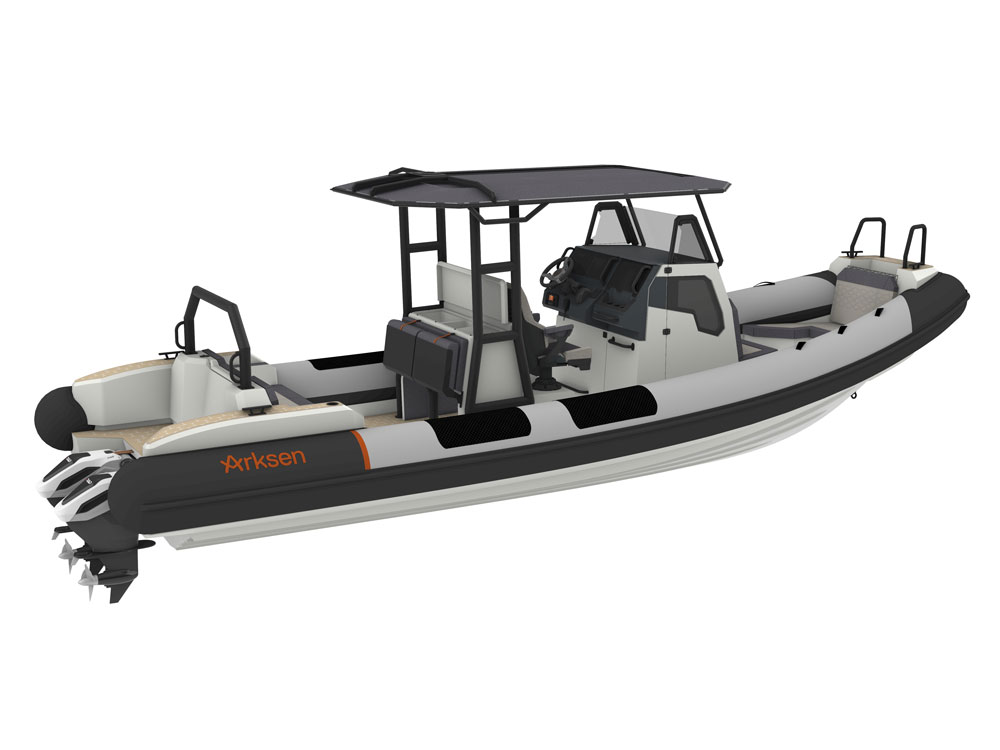
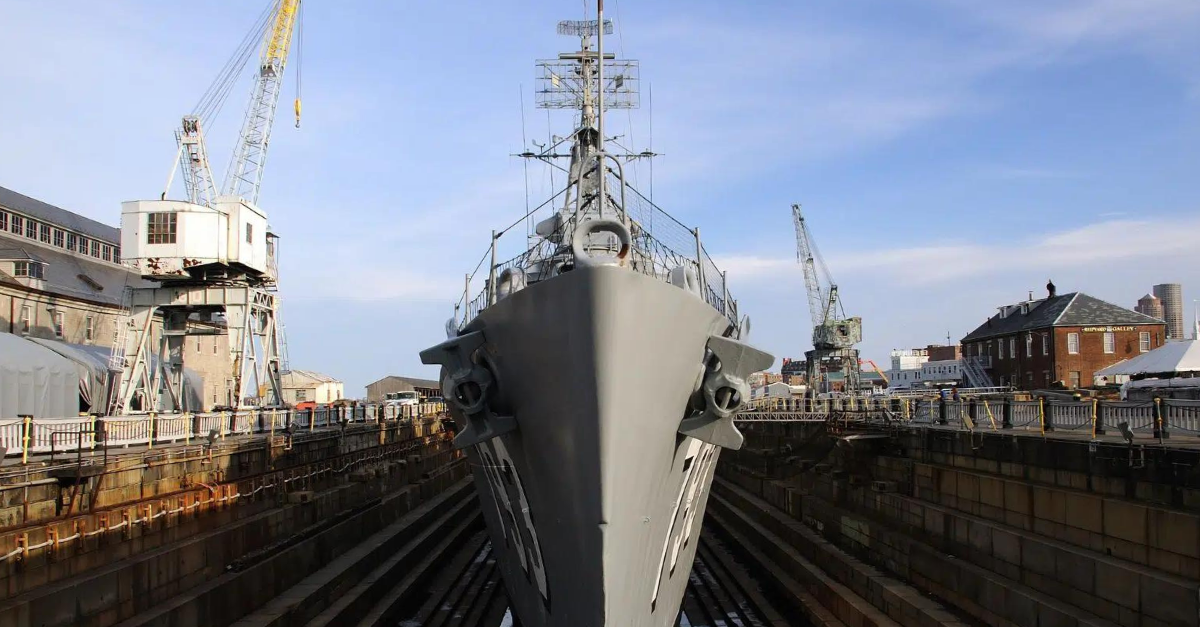

Warship 2026: Scaling the Fleet - Delivering Added Mass with Affordable Minor Warships
30th Sep 2026 - 1st Oct 2026



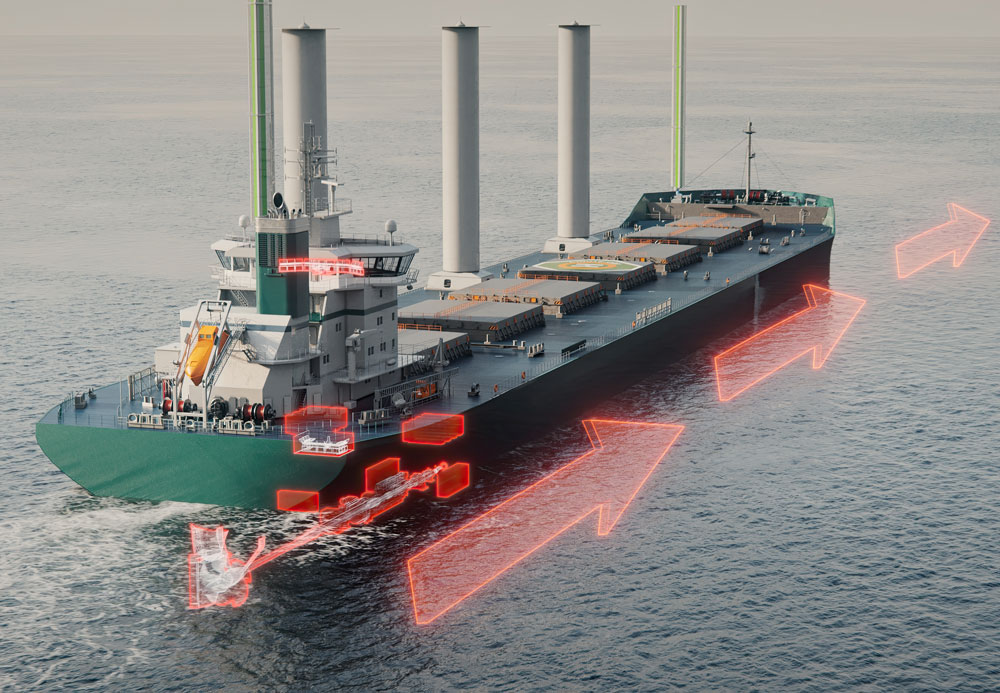
Wind Propulsion 2027: Proven Performance - Driving New Technologies with Real-World Data
Date To Be Confirmed
GET INVOLVED
We are always looking for Members to contribute, whether through supporting the management of the Division, volunteering at events, or with speaking, training, webinars, STEM activitites for local schools universities, and even mentoring our younger members. Any and all ideas for the Division events programme and more are very welcome and we look forward to seeing you at our Division Meetings soon.
Contact Form
FORUM
Welcome to the Division Forum – a place to connect with fellow members, exchange ideas, ask questions, and share experiences.
We encourage open, constructive, and respectful discussion. Members are expected to engage professionally and positively at all times, in accordance with the RINA Code of Conduct. Different viewpoints are welcome; respectful debate helps us all learn and grow.
Join the conversation and help strengthen our global professional community.
Discussions
Would you like notifications of future posts?
No posts found, be the first!
Enter email address
Please enter your email address below and click the 'Log On' button.