We advance your career through shared expertise and innovation. You influence the art and science of naval architecture. Join naval architects, maritime engineers and associated professionals in 140 countries.
Take 10 seconds to nominate a colleague, mentee or friend for our Forbes-style list. Must be under the age of 40 in 2026. Open to all maritime professions associated with naval architecture. See eligibility criteria. [hyperlinked].
Renowned for the technical excellence of our events, publications and learning, we offer career pathways for naval architects and 16 associated professions [hyperlink to 16 professions].
We cover everything from super yachts and green propulsion to warship resilience. Network 1-2-1 with top talent at our events or influence the maritime industry by joining one of our comittees.
We promote the interdisciplinary conversation at the heart of maritime innovation. Speak at our events, publish in our journals or simply join the discussion forums on our website.
?? HOW?? FILL IN EMAIL HERE AND SIGN UP WITH 1 CLICK
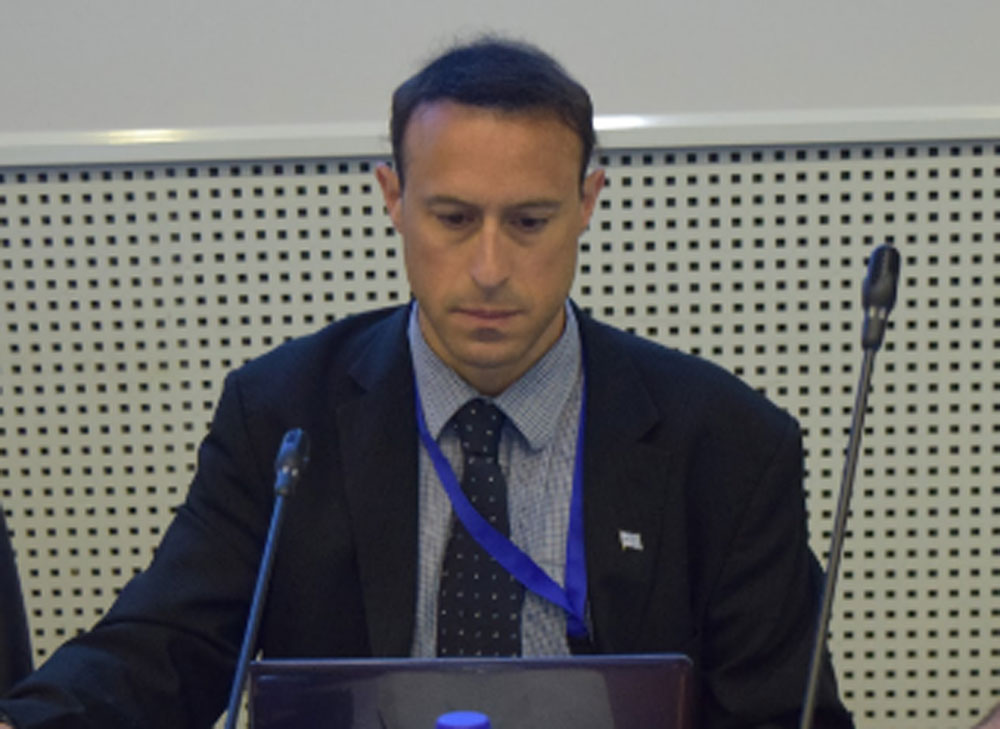
The maritime industry is playing catch-up on cybersecurity as the stereotypical perception of it as solely an IT issue has allowed hostile actors to gain the upper hand, says Dinos A. K. in The Naval Architect. Dinos' recent article tackles this misconception and what is being done to change things.
From flagship international conferences to specialist technical seminars, RINA events bring together experts, innovators, and professionals to share knowledge and shape the future of naval architecture.
Explore Upcoming Events
Lorem ipsum dolor sit amet, consectetur adipiscing elit, sed do eiusmod tempor incididunt ut labore et dolore magna aliqua.
CLICK HERE
Lorem ipsum dolor sit amet, consectetur adipiscing elit, sed do eiusmod tempor incididunt ut labore et dolore magna aliqua.
CLICK HERE







Lorem ipsum dolor sit amet, consectetur adipiscing elit, sed do eiusmod tempor incididunt ut labore et dolore magna aliqua. Ut enim ad minim veniam, quis nostrud exercitation ullamco laboris nisi ut aliquip ex ea commodo consequat. Duis aute irure dolor in reprehenderit in voluptate velit esse cillum dolore eu fugiat nulla pariatur. Excepteur sint occaecat cupidatat non proident, sunt in culpa qui officia deserunt mollit anim id est laborum.

With more than 1,000 newbuilds and decades of high-speed action under its belt, sports boat brand Performance Marine is celebrating its 40th anniversary this year with the launch of the Performance 90X: a design intended to comprise a “perfect fusion of brute force and absolute control”, the company says.
Getting to this stage has been quite the ride; the company and its various designs passed through several hands over the years before reaching its current German owners, Frauke and Stefan von Klebelsberg, who are now restructuring operations to future-proof Performance Marine’s output.
The 90X is heavily influenced by the hull of the group’s previous, 9m-long Performance 907 sports cruiser: a planing design, built in PVC. The revamped 90X was handled by German yacht design and engineering studio iYacht, which was responsible for both the design and the engineering of the new boat. iYacht encountered a few challenges – not least being the deck, an intricate structure comprising nearly 20 moulded parts.
Udo Hafner, iYacht CEO, tells The Naval Architect: “The deck itself is highly sophisticated, incorporating a wide range of functional and comfort elements. To ensure both safety and stability, our team of designers and engineers worked in close collaboration throughout the entire process, synchronising all aspects of the design.
“We were directly involved with the tooling company, ensuring that every detail was meticulously refined to meet the highest standards. This hands-on approach allowed us to optimise the modular construction, guaranteeing precision and structural integrity while maintaining the performance and aesthetic that define the 90X.”
The 90X boat’s propulsion system offers several options, including inboard Mercury MerCruiser engines with power outputs ranging from 430-1,130hp (approximately 320-843kW), coupled with a Bravo One XR drive. The variations include: two MerCruiser V6, 4.5litre-displacement models, with a total output of 500hp; two V8, 6.2litre-displacement models with a total output of 700hp; two V8, 8.2litre-displacement models with a total output of 860hp; or two V8, 8.7litre-displacement units with a total outputof 1,130hp.
The boat’s top speed comes to an eye-watering 70knots. “The Mercury Zero Effort DTS system replaces traditional throttle and shift cables with cutting-edge digital precision, delivering instantaneous throttle response,” iYacht adds. “This advanced technology ensures an unmatched driving experience with ultra-fast performance.” Future customers can opt for a joystick piloting system, integrating engines, gearboxes, steering and thrusters into a single unit, for greater ease of handling and, especially, docking.
The 90X cockpit was designed with a keyless ignition system that doubles as a wireless engine cut-off switch in an emergency. The onboard infotainment system includes multiple screens across the boat, enabling passengers, the driver and co-pilot to check the vessel’s speed, while a dedicated boat app enables users to remotely monitor battery and fuel levels, or to even change the lighting and start cooling onboard drinks, using smart devices on shore.
As part of its design remit, iYacht also optimised the available onboard space, allowing the designer to produce a cabin with a net headroom of 1.75m and a king-sized bed. iYacht designer Joachim Benders comments: “I spent a great deal of time focusing on ergonomics—exploring the relationship between function, space, and people. I carefully analyse how guests move onboard, and assess how the design translates into real-world experiences for users.”
TECHNICAL PARTICULARS: Performance 90X
Length, oa: 9.15m / Breadth: 2.6m / Draught: 0.43m / Max power: 832kW / Max speed: 70knots / Fuel capacity: 600litres / Water capacity: 117litres / Passengers: 8 / Design category: B
The three new surface effect ships (SES) recently delivered by Strategic Marine to Angola’s Energy Craft fleet are remarkable in more ways than one: sea trials demonstrated a top speed of 53knots but at a similar nautical-mile fuel consumption as far slower boats, writes Stevie Knight. The Crewliner 35 also delivers personnel without making them feel as if they’ve been travelling by cocktail shaker. However, the design’s inception was actually sparked by two dramatic crashes.
First, in 2014, came the sudden decline of the global oil and gas market. This meant day rates dropped like a stone for most vessels, says Eduard Ercegovic, technical director and co-founder of Aircat Vessels – who was then managing a fleet of chartered vessels for an offshore support company. The second was the 2016 Super Puma helicopter disaster in Norway, which claimed the lives of all 13 on board. This was followed by a sudden fall in helicopter availability.
Further, in the background was the ageing state of the long-range, 60-90-pax fast crew vessel (FCV) fleet – the vessel types that Ercegovic often chartered. The speed asked of FCVs means they can’t run forever, he explains: “They just get exhausted.” That left a niche in the market: what was needed was a more cost-effective alternative to helicopter transport and a more efficient, faster boat than a standard FCV.
So, Ercegovic and his colleague, Aircat Vessels managing director Jérôme Arnold, partnered with Norwegian naval architecture firm and SES specialist ESNA to create the Aircat 35 Crewliner. These vessels are basically a cross between a hovercraft and a catamaran; they generate an air cushion between the hulls to reduce resistance by lifting up to 80% of the boat’s weight out of the water. The effect is to reduce the vessel’s draught from 2.4m to a mere 0.8m.
This is achieved by a pair of large, 478kW fans, integrated into the forward half of the hulls. “These are not really custom-made – they’re actually the same blowers that you use for factory ventilation,” Ercegovic reveals. The dual fans push the air into the cushion that’s captured between two skirts; one fore, one aft of the boat’s high tunnel – but these have quite different characteristics. The forward skirt matches the bow angle and is made up of seven vertical, finger-like folds all nestled together, rather than a single sheet. If one of these fingers gets damaged, it will naturally deflate – but its sisters will automatically crowd in to take up the space, providing redundancy.
The rear skirt is very different and better described as a tiered structure of horizontal bags, maintained at just a little more pressure than the main cushion. These stern lobes, with the help of two vents, passively adapt to the waves by forming and reforming around the waves, to reduce pitching and a certain amount of roll – although that’s also minimised by the vessel’s 13.9m beam.
However, the main cushion is more actively modulated by four damper cassettes (vents) controlled by a computerised SES management system, which gathers data from multiple pressure sensors in the tunnel and from a motion reference unit (MRU). Since the electric actuators that open and close the dampers allow instant adjustment, the result is high-speed ride control.
“You can change the setting to maximise the lift and minimise the draught when you are going full speed in relatively calm seas,” says Ercegovic, adding that this leaves just enough draught for the propulsion and cooling to be effective. It’s also possible to dial it down since different, preset modes allow the crew to choose a ‘ride control sensitivity’. “There is some penalty to the speed if you increase the comfort, but it’s usually just a few knots,” Ercegovic says.
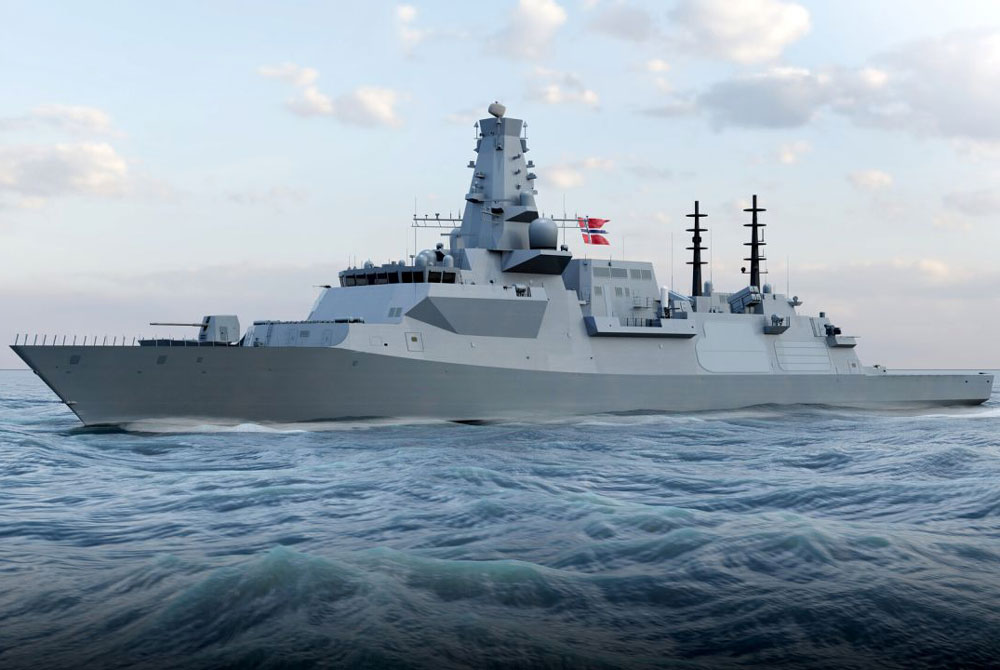
Canada’s minister of national defence Bill Blair has announced the award of an implementation contract to Irving Shipbuilding for construction of a new class of destroyers, to be known as the River class. The River-class destroyers will replace the Royal Canadian Navy’s now-retired Iroquois-class destroyers and 12 Halifax-class frigates with a single ship that can handle multiple threats. At present, 15 examples of the vessels are expected to be built.
The design is based on BAE Systems’ Type 26 warship, which is being built by the UK for the Royal Navy, a variant of which is also being built for Australia as the Hunter-class frigate. The first three Canadian ships will be named Fraser, Saint-Laurent and Mackenzie.
The new vessels will have a length overall of 151.4m, a beam of 20.75m and a speed of 27knots. They will displace 7,800tonnes, have a maximum navigational draught of 8m and a range of 7,000nm. With accommodation for 210 personnel, they will have the capability to embark a CH-148 Cyclone helicopter, plus space for embarking remotely piloted systems.
The new destroyers will use a variant of the Aegis combat system with Cooperative Engagement Capability, and will be equipped with lightweight torpedoes, the Rolling Airframe Missile air defence system, two stabilised rapid-fire 30mm naval gun systems and surface-to-surface anti-ship missiles. Their primary air defence system will take the form of vertical launch systems for the Raytheon Standard Missile 2 and Evolved Sea Sparrow missiles. They will have reconfigurable mission and boat bays and a combined diesel-electric or gas (CODLOG) propulsion system based on a Rolls-Royce MT30 gas turbine, four Rolls-Royce MTU diesel generators and GE electric motors.
The initial implementation contract is for an agreed contract period of six years, with a contract extension to follow as the successful construction progresses.
The Government of Canada has established the cost to build and deliver the first three ships at C$22.2 billion (US$15.4 billion). This estimate includes the costs that will be paid to Irving Shipbuilding through the implementation contract, as well as costs associated with the delivery of the equipment, systems and ammunition that Canada will acquire to bring the first three ships into service. It is estimated that the implementation contract will contribute C$719.3 million annually to Canada’s GDP and create or maintain 5,250 jobs annually between 2025-2039.
“By investing in our own industry, Canadian workers are helping to build the fleet of the future, equipping the Navy and our members in uniform modern and versatile ships they need for Canada’s important contributions to peace and security at home, and abroad,” said Blair.
To help bring the River-class vessels into service and support them throughout their lifecycle, the Department of National Defence (DND) is building a land-based testing facility on a portion of DND-owned land in Halifax, Nova Scotia. Construction is expected to begin this summer, with completion expected in 2027.
The Offshore Renewable Energy (ORE) Catapult, UK and the Japanese Floating Wind Technology Research Association (FLOWRA) have signed a memorandum of understanding (MoU) to work towards reducing risks and costs related to floating offshore wind.
The MoU, signed in Tokyo on 7 March, follows nine months of collaboration between ORE Catapult and FLOWRA. The initiative will cover areas such as personnel exchange, standardisation of component technologies and the creation of a “test and demonstration alliance” to develop technology on a large scale, ORE Catapult says. The MoU coincides with a wider recent co-operation between the UK and Japanese governments with regard to the development of these turbine types.
Jonathan Reynolds MP, UK secretary of state for business and trade, comments: “This partnership with Japan will turbocharge the development of this vital renewable energy. International partnerships like this will attract investment and deliver long-term, stable growth that supports skilled jobs and raises living standards across the UK, making our ‘Plan for Change’ a reality.”
The UK government’s Plan for Change aims to “make Britain a clean energy superpower” while kickstarting new economic opportunities for domestic businesses. The ORE Catapult-FLOWRA MoU will ultimately combine “UK R&D capability” and “Japanese industrial manufacturing capacity” for a surge in floating offshore wind technology development, ORE Catapult adds.
As well as providing economic benefits for each country, a robust offshore floating wind capability will bolster energy security for the UK and Japan, while assisting both to pursue their decarbonisation goals, adds Dr Cristina Garcia-Duffy, director of research and technical capabilities at ORE Catapult. For example, the Japanese government has set ambitious targets of 10GW of offshore capacity by 2030, increasing to 45GW by 2040. Floating wind turbines are expected to play a significant role here, due to Japan’s limited availability of shallow-water sites for fixed-bottom turbines.
Additionally, the UK government’s British Energy Security Strategy, rolled out in 2022 in response to gas supply disruption in the wake of the Russia-Ukraine conflict, aims to generate 60GW of electricity from offshore wind sources by 2030, an estimated 5GW of which would be supplied by floating offshore wind turbines.
Norway-based Kongsberg Maritime has secured a leading role in a project to convert the double-ended car ferry MF Hamlet to battery-powered operation. The conversion of the 111.2m ferry, which is operated by Öresundslinjen on the route between Helsingør, Denmark, and Helsingborg, Sweden, will include the installation of battery packs and new permanent magnet motors for the azimuth thrusters.
Kongsberg says: “The primary goals of the project include achieving zero emissions, enabling full electric operation with batteries and having mechanical propulsion redundancy. The ferry will utilise high-voltage charging in port, taking only eight to 12 minutes, with low-voltage charging via gensets as an alternative.”
Kongsberg will also rebuild the existing thrusters and convert them to electric operation, installing new permanent magnet motors for each of the four main azimuth thrusters, each rated 1,530kW. The company adds that it will “provide a comprehensive energy, automation and control package, which includes interface to the main switchboard, retrofitting the K-Chief 600 to the new K-Chief system with an energy management system, and implementing Mcon thruster control with control chairs on the two bridges”.
Energy storage systems will be supplied by Echandia directly to the owner, while the Oresund Drydocks shipyard will handle the mechanical aspects of the conversion. The installation company, SH Group, will produce and install new deck houses and handle the cabling and wiring work.
The conversion job is scheduled to start in November this year at Oresund Drydocks, but the vessel will visit the yard later this month for preparation work during a scheduled maintenance docking.
IHC Dredging has been contracted to supply two Beaver 65-class cutter suction dredgers to PT. Dua Samudera Perkasa, a subsidiary of Indonesia’s Jhonlin Group.
PT. Dua Samudera Perkasa previously took delivery of a Beaver 65, Jhoni 59, in August 2024. That vessel is now working at the coal transport and biodiesel terminal at Batulicin, South Kalimantan, alongside the Beagle 4-class dredger Samson, which IHC delivered to Jhonlin Group in 2023.
The Beaver 65 design features a length overall of 58m, a 12.4m beam and a depth of 2.97m. The dredger type has an average draught of 1.9m (max 2.02m) and more than 2,800kW of installed power.
Like other vessels in the Beaver 65 class, the new duo will be equipped with 650mm-diameter suction/discharge pipes. However, while these dredger types typically have a maximum dredging depth of 18m, this has been extended to 25m max for the new pair.
IHC Dredging adds that each new dredger will be equipped with upgrades including: a fuel separation system; a “state-of-the-art” radioactive production measurement system; and a dredge track presentation system (DTPS) with an accuracy of up to 20mm, providing the dredge operator with a digital overview of the hopper, cutter, excavator, clamshell and bucket line dredges. The two newbuilds are scheduled for delivery in September this year.
Classification society Lloyd’s Register (LR) says it plans to use Microsoft’s Azure OpenAI Service as a tool to accelerate licensing processes for nuclear in maritime applications.
The idea is to use the Azure OpenAI platform to analyse historic nuclear licensing data, which should help licensing engineers to draft new permit documents far more quickly, LR anticipates. The platform will also enable engineers to search for “regulations, precedents and other valuable information buried in large regulatory datasets” in a comparatively timely manner, LR says.
Jeff Scott, LR deputy chief technology and innovation officer, comments: “Regulations shouldn’t be a roadblock to innovation—they should be a launchpad. By teaming up with Microsoft, we’re using AI to cut through the red tape and fast-track the future of nuclear in maritime. It’s an exciting step toward making clean energy a reality on the water.”
Mark Tipping, LR’s global offshore power-to-X director, adds: “We have a large data source from decades of regulatory applications, which these AI capabilities can interrogate swiftly to identify good practice and lessons learned. Together, we’re tackling one of the biggest challenges in deploying nuclear technology, which is navigating complex, slow and costly licensing processes.
“Collaborating with Microsoft provides us with an excellent opportunity to combine two very different areas of expertise: their AI capabilities; and our vast history and knowledge of maritime and nuclear safety.”
One claimed benefit of the Azure OpenAI Service is the ability for end users to ask direct questions instead of writing complex database queries. When used in conjunction with Microsoft’s Azure AISearch, users can search through vast repositories of historic data, including documents, PDFs and databases, using keyword and semantic search capabilities.
Meanwhile, the Japan Society of Naval Architects and Ocean Engineers has launched its Review Committee of Nuclear Energy Utilization in Maritime Industries. Set to run for two years, the Review Committee, headed by Taiga Mitsuyuki, associate professor at Yokohama National University, will analyse the various barriers to maritime nuclear (including technical challenges, public acceptance and financial viability) and how to overcome them, using domestic and international case studies for reference.
The domestic case studies will include input from persons involved in the development of the 130m, nuclear-powered Japanese vessel Mutsu, which was launched in 1969. Built by Ishikawajima-Harima Heavy Industries (now IHI Corporation) and originally powered by a pressurised water reactor (PWR), Mutsu was subject to criticism, and particularly so from local fishermen, after a minor radiation leak during its first test run in 1974. The programme was shelved, and the PWR removed in 1995, with the vessel being repurposed as the oceanographic research ship Mirai.
The Review Committee says it will wrap up its work in November 2026.
Singapore shipyard group Seatrium has turned in an impressive set of results in its first full year of operations since its creation, following the merger of the Sembcorp Marine and Keppel O&M shipyard operations in April 2023. The company achieved an underlying net profit of S$200 million (US$148.3 million) in 2024, compared with a loss of $S28 million in 2023. Revenues surged 27% year-on-year to S$9.2 billion.
One of the driving forces behind the improved results was the performance of its ship repair division, which achieved a 7% increase in revenues to S$1.1 billion. The company worked on a total of 231 ship repair and refit projects during the year, compared with 291 in 2023, thereby achieving a significant increase in the average value of work per vessel.
Chris Ong, Seatrium CEO, says: “Marine decarbonisation and fleet rejuvenation continue to drive demand in this part of our business.” The company recently completed a contract to retrofit the first onboard carbon capture and storage system (CCSS) on board the 160m LPG tanker Clipper Eris for Solvang, as a result of which the vessel will be able to store up to 70% of its carbon emissions on board. Seatrium has recently secured a second CCSS retrofit contract for Mitsui OSK Lines.
Seatrium has also taken steps to strengthen its repeat customer base with regard to ship repair and retrofit work. Over the past year, the company has signed or renewed four favoured customer contracts (FCCs), taking the number of such agreements in place to two as of March 2025. Ong adds: “These FCC contracts are important as they provide us with revenue visibility and enable forward capacity planning.”
Oil and filter changes at 250 or even 500 hours, as recommended in manufacturers’ maintenance manuals, make for a demanding service schedule. However, the introduction of the Fleetguard filtration monitoring system, FleetguardFIT™, proved service intervals could safely be extended to 1500 hours for M/S Hendrika, a dry cargo vessel. This reduced engine maintenance costs by approximately half for ship owners, the de Boer family, based in the Netherlands. Prior to the FleetguardFIT installation, the de Boers serviced the engine oil and filters every 800 hours.
FleetguardFIT, which stands for Filtration Intelligence Technology, monitors filters and engine oil health in real time using smart sensing, state-of-the-art algorithms, cloud computing, and on-board diagnostics. Developed by Atmus Filtration Technologies, this system optimizes filter and oil life. Servicing only when needed saves time and money and avoids unnecessary downtime. In addition, the de Boers discovered that the increase in efficiency provided by FleetguardFIT reduced environmental impact which could help them win more business.
M/S Hendrika
| Vessel type | Dry cargo transportation |
|---|---|
| Length | 85 meter |
| Tonnage | 1438 ton |
| Built | 1981 |
| Operating hours | 10-12 hours, 6 days a week |
Engine
| Manufactured | 2005 |
|---|---|
| Type | Cummins KTA38M |
| Horsepower | 1000 HP |
| Displacement | 38 liter |
| Operating hours | 8-12 hours, 6 days a week |
M/S Hendrika is the first marine vessel in the Netherlands with FleetguardFIT. Installed on the 1,000 HP engine are two LED air filter restriction indicators, an oil quality sensor, and differential pressure sensors for the lubrication filter and the fuel water separator.
Following installation, the de Boers have been able to monitor oil and filters through the FleetguardFIT portal. The color-coded dashboard displays any actions required and the remaining useful life of all monitored consumables. For fleet owners, equipment status can be viewed per vessel, enabling them to track maintenance events and consumable performance over time. One notable aspect of the portal is its critical alert feature. M/S Hendrika avoided costly downtime thanks to a critical air filter alert from FleetguardFIT.
FleetguardFIT can also provide third parties, such as insurance companies, with proof that oil and filter changes have been carried out on time, critical alerts have been responded to promptly, and oil quality has always been correct during the engine’s operating hours.
Paul Louwe, senior technical support engineer for Atmus Filtration Technologies says, “The right filters on high horsepower engines can last two to even eight times longer than manufacturer’s recommendations. Furthermore, predictive maintenance based on real-world conditions can save thousands in unplanned downtime per vessel per year, which can be significant for a fleet owner.”
Although not part of a fleet of vessels, for M/S Hendrika, the benefits of the condition-based monitoring system are clear. As well as meeting the original goal of reducing maintenance costs by extending the life of the oil and filters, it has helped extend equipment life and maximize uptime, while lowering the environmental impact of the business.
FleetguardFIT is suitable for air, oil and fuel filters, and lube oil on diesel and natural gas engines and can be used on other types of non-classed inland-waterway vessels, such as passenger ships and carriers of other types of cargo.
For more information about FleetguardFIT, visit Fleetguard.com
Fleetguard, a brand of Atmus Filtration Technologies Inc., is a leading brand in advanced filtration solutions, offering a wide range of products such as fuel filters, lube filters, air filters, crankcase ventilation, hydraulic filters and coolants.
As something of a stellar year for ship production, 2024 saw a 38% year-on-year increase in orders for alternative-fuelled newbuilds, totalling 515 ships, according to data released by DNV’s Alternative Fuels Insight (AFI) platform.
The AFI data suggests that container ship orders led the charge, with 69% of these orders opting for alt-fuels, predominantly (67%) LNG. Container vessels and car carriers accounted for 62% of all green-fuel orders last year, indicating that the maritime sector is taking decarbonisation seriously. The data also shows that 166 new orders opted for methanol as a fuel, comprising 32% of the AFI order book. Of these methanol orders, 85 were placed in the container ship segment.
Ammonia-fuel vessel orders were also on the up, increasing from eight in 2023 to 27 last year. However, the AFI data underscores that LNG emerged as the industry’s alt-fuel of choice in 2024, accounting for 264 orders; a significant increase on the 130 orders recorded in 2023. The data also highlights that the number of LNG-fuelled ships in service increased to 641 by the end of 2024, with a record number of deliveries (169) of these vessel types recorded in this period. DNV anticipates the number of LNG-powered ships in operation to double by the end of the decade.
This growth has been accompanied by an expansion of LNG bunkering infrastructure, with the number of LNG bunker vessels increasing from 52 in 2023 to 64 last year. However, DNV notes, there is still a demand-supply gap, which is “expected to widen over the next five years, based on the orderbook”. The class society adds: “With the EU regulatory package ‘Fit for 55’ setting requirements on a large network of ports to have LNG bunkering infrastructure, it is expected that the availability of LNG in ports will increase.”
Knut Ørbeck-Nilssen, CEO, maritime at DNV, comments: “While recent figures are promising, we must keep pushing forward. The technological transition is underway, but supply of alternative fuel is still low. As an industry, we need to work with fuel suppliers and other stakeholders to ensure that shipping has access to its share of alternative fuels. It is also important that the safety of seafarers is ensured as we make this transition. This will require investment in upskilling and training.”
DNV shortly followed up on its AFI findings with the publication of a white paper entitled Biofuels in Shipping, in which it assessed biofuels such as fatty acid methyl ester (FAME) and HVO. This paper concludes that both biofuels have significant potential for reducing GHG emissions, thereby aiding compliance with CII, EU ETS and FuelEU Maritime. However, the paper warns, widespread adoption of biofuels is limited by the availability of sustainable, affordable biomass and competition from other sectors.
In 2023, the paper notes, biofuels constituted just 0.3% of shipping’s total energy use. The paper highlights the need for shipowners to consider alt-fuels alongside biofuels, given that biofuel use in shipping mostly involves blending with traditional fuels. Going forward, it will also be important to develop technical and operational considerations for using biofuels as drop-in fuels, accounting for factors such as fuel quality, system compatibility and performance monitoring, the paper cautions.
Coincidentally, 2024 saw Singapore record a surge in alternative fuels adoption, with sales of alt-fuels surpassing 1.3 million tonnes for the first time. Figures released by the Maritime & Port Authority of Singapore (MPA) reveal increases in bunkering sales for biofuels (up 68.5% to 883,000tonnes), LNG (up 318.9% to 464,000tonnes), methanol (2,000tonnes) and ammonia (9.74tonnes).
The MPA is proactively pushing decarbonisation in its waters. For example, under the terms of the Maritime Singapore Green Initiative (MSGI), the MPA has pledged to provide up to 100% port dues concession to any oceangoing vessel calling at the Port of Singapore that uses zero-emissions fuels and technology (including battery power), zero-carbon fuel or certain low-carbon-content fuels and biofuels, until 31 December 2027.
Orkney-based Green Marine is expanding its range of in-house subsea O&M services by investing an undisclosed but seven-figure sum into the creation of a Subsea Services Department, focused on underwater maintenance across UK offshore wind farms.
The new department, which will open in late spring, aims to meet growing demand in an O&M market projected to reach £270 million by 2030, Green Marine says. The department will introduce a range of services, including: general visual inspections; 3D surveys, incorporating real-time simultaneous localisation and mapping (SLAM) analysis; evaluations of the physical, biological and geological conditions of specific marine sites; and O&M monitoring, with a focus on subsea cables/pipelines and offshore structures.
Jason Schofield, Green Marine MD, says: “While this entails an initial seven-figure capital investment, the longer-term company strategy is to continue investing and expanding way into the future. We benefit from a strategic location in Orkney with the world’s second-largest installed offshore wind capacity on our doorstep.” He tells The Naval Architect that a new team will be employed to support the rollout of the department, adding at least three to four full-time jobs. “This will expand quickly as the department and equipment utilisation grow too,” Schofield says.
Green Marine recently received a cash injection from Highlands and Islands Enterprise, which will be used to purchase subsea technology like ROVs and sensors. For example, the company has invested in the VALOR ROV, supplied by Rovtech (which acquired the VALOR line from Seatronics in January). This 860mm-long ROV is rated for a depth of 300m and has a maximum payload capacity of 21kg. Green Marine also intends to shop for tech from companies such as Sonardyne, Norbit, Voyis, Tritech, Digital Edge Subsea and EIVA.
Elaborating on the Subsea Services Department’s purpose, Myles Metson, Green Marine operations and technology director, says: “Ultimately, this means we are not reliant on equipment availability or unknown personnel. We can ensure rapid mobilisation and reduced overheads during off periods. It also relieves a major headache for our clients when reliant on a multitude of equipment, operators and expertise to deliver complex services.”
Green Marine has previously been involved in projects across offshore wind farms including Dogger Bank, Moray East and Triton Knoll, among others. The company also provides crew transfer and dive support services.
Italy’s Fincantieri, one of Europe’s premier cruise shipbuilders, has achieved considerable success of late in this sector. Recently, its Monfalcone shipyard delivered the 160,000gt Mein Schiff Relax, the first of two environmentally friendly InTUItion-class cruise ships with dual-fuel (LNG and MGO) capability that Fincantieri is building for this shipowner. The sister ship will set sail in mid-2026.
The new design features: catalytic converters meeting Euro 6 emissions standards; a generative turbine, using the residual heat from the diesel generators; and an electrical shore-power connection. The vessel is also equipped with an innovative waste treatment system capable of transforming organic materials into recyclable components through a thermal process.
Fincantieri also confirms that a letter of intent signed with Norwegian Cruise Line (NCL) last year has been converted into a firm order for four new cruise ships, each approximately 226,000gt. These vessels, the largest ever built for NCL, will also be constructed at Fincantieri’s Monfalcone yard, with deliveries scheduled for 2030, 2032, 2034 and 2036. This order strengthens the long-standing partnership between Fincantieri and NCL, with Norwegian Aqua, the first unit in the Prima Plus class, set for delivery in the next few months. Additionally, three other vessels are currently in various stages of design and construction.
Alongside its thriving cruise newbuilding activities, Fincantieri has been busy in recent months with several significant vessel refit and upgrade projects. In September 2024, the company completed an important drydock project, including the overhaul of the davits and thruster, and the refurbishment of the laundry, on the Princess Cruises Island Princess. Then, from October to November, Fincantieri undertook a complex engine room overhaul aboard Caribbean Princess in Palermo. Additionally, it carried out mechanical work on the propulsion system, and significant engine maintenance for Costa Deliziosa in its Trieste yard. Then, towards the end of 2024, Fincantieri completed essential maintenance, and five-year class checks, for Virgin Voyages’ Scarlet Lady in Palermo.
Many of these cruise refit and repair projects have had a clear environmental focus. A notable example involved the installation of the advanced wastewater system for Silversea Cruises’ Silver Whisper in Trieste. Furthermore, on many projects, Fincantieri applied silicone paint to reduce friction, save fuel and make the vessels’ cruises more energy-efficient. Fincantieri also has a contract to implement high-voltage shore connection (HVSC) systems on four cruise ships to enable them to shut down their engines during port stays, and is carrying out engineering studies to assess the viability of retrofitting existing cruise vessels to run on methanol or HVO.
Now, Fincantieri seems set to enjoy another busy year for its cruise refit activities. In March and April 2025, it plans back-to-back drydockings of Majestic Princess and Emerald Princess, including five-year class special surveys, hull blasting and silicone painting, thruster and stabiliser overhauls, scrubber work, steel repairs and the installation of new air lubrication and membrane bioreactor systems. The work will also include Americans with Disabilities Act (ADA)-associated upgrades for cabins and public spaces. All of these work packages will be undertaken at Fincantieri’s Palermo shipyard.
In Q3 2025, MSC Lirica and Viking Sea will visit Fincantieri yards for special class survey renewals and planned maintenance activities, while, in November, Silver Muse will undergo a series of conversions and modifications, together with scheduled maintenance works, in Palermo.
Fincantieri is currently investing to enhance its logistics capabilities for cruise projects in Trieste and Palermo, with the aim of improving warehousing, materials handling, maintenance scheduling and transportation for both inbound and outbound logistics. These investments are expected to lead to greater operational efficiency, minimise waste and ensure timely deliveries for clients and suppliers. Additionally, the company is strengthening its Miami subsidiary, Fincantieri Services USA, to provide cruise operators with quick responses to their specific requirements, including ship inspections and onboard assistance for repair and refurbishment activities in North America.
Damen Shipyards Group has unveiled a new range of naval support vessels. The Logistics Support Ship (LSS) design consists of two vessel types, the LSS 9000 and LSS 11000, which are 127m and 140m in length respectively.
“The vessels will be equipped with NATO-standard replenishment-at-sea technology, and will have roll-on/roll-off capability and substantial cargo transportation capacity,” says Damen. They are designed to facilitate the efficient transfer and transport of fuel, munitions, provisions, personnel and other essential supplies, enabling fleets to remain operational during extended deployments.
Damen adds: “With a modular design, the LSS can be easily and rapidly configured and upgraded for special operational requirements, such as disaster relief, humanitarian assistance and training exercises.
“A key feature of the LSS is the ability to operate in diverse maritime environments, from the open ocean to littoral waters. This versatility arises from an advanced design and engineering process and the combination of both military and commercial technology, a combination that helps to reduce OPEX and CAPEX.”
In addition to operational efficiency, and in line with the ambitions of many navies, the LSS design has a focus on sustainability, with the vessels fitted with propulsions systems that will reduce fuel consumption and emissions.
Damen commercial manager for defence and security Piet van Rooij says: “We have developed the LSS based on discussions with our naval clients around the world. As such, we are confident they represent an appropriate response to the operational challenges they are facing, now and in the future. The LSS offers enhanced capabilities, efficiency and sustainability at a very competitive price.”
A report jointly issued by tech firm CORE POWER, marine insurer NorthStandard and class society Lloyd’s Register (LR) paints an optimistic picture for the safe development and installation of small nuclear reactors aboard commercial ships and floating nuclear power plants (FNPPs) in the UK – provided the government gets behind the effort.
The paper, entitled Advanced Maritime Nuclear: A Unique Opportunity for the UK, argues that the Department for Transport must incorporate nuclear-fuelled vessels and FNPPs into an updated version of its Clean Maritime Plan, to meet IMO greenhouse gas (GHG) emissions reduction targets and to benefit from a £2.5 trillion economic opportunity, potentially revitalising the UK shipbuilding segment.
Over the past five years, attitudes toward using nuclear energy as ship’s fuel have shifted significantly. Since the 1950s, nuclear reactors have powered multiple warships and submarines. However, the concept of installing small reactors aboard commercial vessels, such as ferries, cruise ships, OSVs or superyachts, was generally discounted, largely because of nuclear power’s ‘bad’ reputation.
However, rising energy costs, plus growing doubts about the accessibility of alternative fuels such as hydrogen, HVO, methanol and ammonia, have sparked new interest in nuclear energy for ships. A small but growing band of shipping professionals now view the deployment of small modular reactors aboard commercial vessels as one of the most likely means of meeting IMO’s plan to realise net-zero greenhouse gas emissions from international shipping by 2050.
Additionally, at COP 28, hosted in Dubai in 2023, the UK pledged to triple nuclear energy generation with the launch of its Civil Nuclear Roadmap to 2050 – a publication that included nuclear-fuelled ships on the agenda. In December 2022, the UK’s Merchant Shipping (Nuclear Ships) Regulations came into effect, accompanied by Marine Guidance Note on nuclear ships MGN 679 (M), which addresses areas such as safety assessments, design and construction, radiation safety and reactor installation suitability.
In the foreword to the recent joint paper, British hereditary peer and shipbroker Lord Mountevans writes: “The UK has the skills, expertise and history of innovation to lead the development of nuclear-powered shipping. By leveraging our decades of experience with small reactors for the Royal Navy, we can decarbonise maritime transport, create jobs and strengthen Britain’s position as a clean energy world power. This is a unique opportunity for the UK.”
The paper also proposes that nuclear-powered ships could feed energy back into land-based grids, providing electricity to homes and ports, as well as to areas affected by power blackouts. “FNPPs could also be used to alleviate the issues surrounding shore power and expensive connections to the UK national grid,” the authors state.
Outstanding insurance and regulatory gaps must also be addressed, though, the paper notes. Paul Jennings, MD of NorthStandard, comments: “The ability to commercially insure nuclear-propelled ships will be vital to the success of bringing nuclear to maritime. It is important that governments understand the need for a civil marine nuclear liability convention within the framework of IMO and work towards creating an appropriate liability regime.”
Jennings is echoed by Andy McKeran, LR’s chief commercial officer, who says: “Global regulatory alignment is crucial. Existing frameworks must be updated to reflect modern reactor designs and operational needs. The UK has the expertise to lead these efforts at IMO and with the International Atomic Energy Agency [IAEA], setting the foundation for safe, insurable and scalable nuclear-powered shipping.”
Meanwhile, CORE POWER CEO Mikal Bøe remarks: “Maritime nuclear is the catalyst that can reverse the trajectory of the British shipping sector, creating unique competition to Chinese shipbuilding and ocean transport.” He warns: “Over time, the cost of inaction will far outweigh the cost of being the champion in this rapidly emerging market.”
The March issue of The Naval Architect features an interview with pro-nuclear advocate Dr Jonathan Stephens, manager, core design at BWX Technologies, assessing the current and future viability of small reactor installations aboard various vessel types and FNPPs
The UK shipbuilding sector needs to address significant skills shortages in AI, robotics and automation if it is to thrive in the long term, a report from National Manufacturing Institute Scotland (NMIS) claims.
The report outlines the need to further adopt these three emerging technologies to enhance operations such as welding, joining and inspections in confined or hazardous spaces.
“The roles of some welders will evolve to combine traditional skills with expertise in new technologies and materials, as advanced technologies such as robotics and additive manufacturing are integrated into operations,” NMIS writes.
Greg Cranstoun, industry and skills engagement lead at NMIS, comments: “Scotland has a deep-rooted history of shipbuilding, particularly on the Clyde, but the challenges of a skills shortage apply to the whole of the UK.”
NMIS notes that, in 2022, shipbuilding contributed £3.1 billion to the UK economy, supporting more than 44,600 jobs. That year also marked the introduction of the National Shipbuilding Strategy, which has called for a 50% reduction in the UK sector’s skills shortage by 2030.
“We need to ensure we have the right people with the right skills lined up to meet demand,” says Cranstoun. “Technology is only going to become more prevalent as the adoption of AI and robotics increases in all sectors, and there are significant gains that could come from using advanced equipment to improve both health and safety and productivity in shipyards.
“Manufacturers need to think ahead to the types of roles this will create, and how to equip the current workforce and future employees with the skills to take this forward.”
As for how to get there, the report calls for a “collaborative approach between industry and training providers, to design programmes that prepare workers for these hybrid roles”. This approach would include the updating (and tailoring) of existing training courses for relevance, and the development of new training courses. Stakeholders should also drive new educational standards and targeted curricula while implementing short courses and continuous professional development (CPD) programmes to plug current knowledge and skills gaps.
The report also recommends the creation of new job descriptions, including (but not limited to): quality control inspector in shipbuilding; robotics integration engineer; welding engineer; industrial equipment maintenance technician; and robotics systems design and implementation engineer, for example. These newly defined roles should help manufacturers to evaluate gaps between existing roles and future requirements, the report opines.
NMIS, which is operated by the University of Strathclyde, collaborated with Innovate UK’s Workforce Foresighting Hub to produce the report, drawing on the latter’s advanced AI tools and workshop and survey findings to capture and analyse the data. NMIS adds that these collated insights could also be adopted and acted on by other sectors, including offshore wind and oil and gas.
Meanwhile, Mantas Lukauskas, self-styled ‘AI evangelist’ at neoxis.ai, says that the current “AI gold rush era” has accelerated developments in AI and machine learning to the extent that some companies may struggle to keep up with the pace of change.
“The more models appear, the harder it becomes to keep track of them all, let alone experiment and deploy them effectively,” Lukauskas says. “However, the multi-model ambitions quickly become technically and logistically complex.” He warns that the AI landscape “will only get more crowded” in the run-up to 2030.
Lukaskaus recommends weighing up considerations such as complexity, security and compliance, performance variance and cost before committing to new AI or machine-learning tech. The best solution may be to rely on a centralised platform that can speak to multiple providers via a single interface, he continues, adding: “The real competitive advantage is to stay nimble.”
Ulstein Design & Solutions has been contracted to provide the design for a heavy-lift ship for Japanese contractor Penta-Ocean Construction (POC). The vessel will specialise in offshore wind foundation installation work within the country’s waters, and will comprise a customised version of Ulstein’s HX118 design, which features a length of 215m, a 56m beam and a maximum draught of between 7.5-10m.
The customised design includes a tub-mounted, revolving, 5,000tonne-capacity Huisman main crane, permitting heavy-duty monopile installations. The crane comes with a main hoist and a universal quick connector, and has been designed with a compact tail swing, to optimise available deck space. Huisman will also supply the ship’s monopile-handling system, which features a motion-compensated pile gripper.
Ulstein has also incorporated its U-STERN concept into the vessel’s design. The U-STERN enables longitudinal storage of large components, such as monopiles, meaning these components can be stored along the length of the ship rather than across it, thereby maximising space and preventing overhanging.
When it’s time to install these components, the U-STERN enables them to be upended (lifted vertically) directly along the ship’s centreline. The U-STERN design also allows the ship to face directly into the waves during the installation process, reducing the impact of wave motion on the ship, to make the installation process smoother and safer – as well as to reduce fuel consumption by minimising the ship’s need to compensate for wave-induced movements.
Ulstein comments: “Combining the U-STERN with transverse and longitudinal skidding systems, offshore lifts for monopiles are eliminated as the main crane is only used to support the upending and lowering of the foundation.”
Both Ulstein and POC have been tweaking the ship’s basic design since summer 2024, including a round of extensive model tests. The heavy-lifter will be built by Singapore’s Seatrium Group, with completion scheduled for May 2028 and operations set to commence in the autumn of that year, Ulstein tells The Naval Architect.
The Bundestag and the Federal Government have agreed to exercise an option to procure four more Type 212CD submarines for the German Navy. The contract for the new submarines, which are being acquired by the German Navy and Royal Norwegian Navy under a joint programme, is one of the largest secured by thyssenkrupp Marine Systems.
The deal was initialled by the president of the Bundeswehr Procurement Agency, Annette Lehnigk-Emden, and thyssenkrupp Marine Systems CEO Oliver Burkhard in late December 2024. Germany will now build six Type 212CDs. Norway has also recently signalled its intention to increase the number of submarines it builds under the joint programme from four to six.
Speaking as that deal was confirmed, Burkhard said: “A turning point in history is finally arriving in the maritime sector. We are delighted at the trust that the German government has once again placed in us with the additional order. We are making a decisive contribution to Germany’s response to changing times and strengthening our defence capabilities with this strategically important project between Germany and Norway.”
The Type 212CD submarines will be significantly more capable than the German Navy’s existing Type 212A boats, with enhanced situational awareness, superior networking with allied units and a reduced signature.
In advance of the construction of the submarines, thyssenkrupp Marine Systems has invested more than €250 million at the company’s yard in Kiel, including a new shipbuilding hall. The group has also acquired additional shipyard capacity at the former MV Werften site in Wismar, to be able to build submarines and surface vessels there at the same time.
“Our order books are well-filled and we are strongly positioned nationally and internationally,” said Burkhard, noting that now that the number of Type 212CD submarines on order has been increased, other countries could join the project in the near future. “Our strong position has now become even stronger,” he concluded.
A team-up between boatbuilder/USV manufacturer Tuco Marine and maritime survey tech company EIVA aims to establish an all-in-one autonomous package for subsea asset inspections, matching a Tuco-built ProZero 8m Naval Intelligence USV to EIVA’s ViperFish remotely operated towed vehicle (ROTV).
In practice, the USV would sail to an area of interest, towing and remotely launching the ViperFish. The ViperFish would be equipped with sensors and survey software, and would undertake high-resolution seabed imaging, with area coverage rates of 1.6km2/hr, while using magnetic signals to monitor subsea assets, such as power cables.
Jonas Pedersen, MD of Tuco Marine, comments: “By combining…our ProZero with EIVA’s ROTV, it’s possible to monitor the conditions of critical subsea infrastructure much more thoroughly and frequently than with conventional set-ups.”
Launched in 2023, the ViperFish measures 3,200mm x 1,300mm x 620mm and is rated for depths descending to 200m. The ROTV is designed for surveys at 2-10knots, and has a reported target positioning accuracy of 1m. EIVA suggests that, when integrated with an USV, the ViperFish can also be used for mine countermeasures, rapid environmental assessment, surveillance and salvage missions.
The commissioning this week of three frontline naval vessels by the Indian Navy marks a “significant milestone in India’s shipbuilding and design capabilities”, according to analytics firm GlobalData.
January 15 saw the entries of INS Surat (163m), the fourth and final unit of the Visakhapatnam class of stealth guided-missile destroyers; INS Nilgiri (149m), the lead ship of the Nilgiri class of stealth guided-missile frigates; and INS Vagsheer (67.5m), the sixth of six Kalvari-class diesel-electric submarines. The vessels were constructed by Mazagon Dock Shipbuilders Limited (MDL), Mumbai.
Rithik Rao, aerospace and defence analyst at GlobalData, writes: “Armed with advanced weaponry such as BrahMos and Barak 8 missiles, both INS Surat and INS Nilgiri provide the Indian Navy with enhanced anti-surface and anti-air warfare capabilities, excelling in both offensive and defensive roles.
“INS Vagsheer excels in a range of operations, including anti-surface and anti-submarine warfare, intelligence gathering and area surveillance. Together, these domestically built platforms demonstrate India’s growing competence in developing cutting-edge naval technologies, thereby strengthening its maritime security and reinforcing its strategic autonomy in defence production.”
Rao adds that India has felt the need to step up its naval defence capabilities due to “the increasing maritime presence” of the Chinese People’s Liberation Army Navy (PLA Navy) in the Indian Ocean Region. “[India] is trying to catch up with its Chinese counterparts in terms of quantity and technology advancements,” Rao says. GlobalData has forecast that India will spend just over US$35 billion on various domestically built naval vessels and subs in the run-up to 2029.
“Shipbuilders such as MDL stand to benefit significantly, leveraging the expertise gained from constructing complex naval platforms,” says Rao. “Such advancements will lay a strong foundation for future collaborations between major domestic defence contractors and many small and medium suppliers in upcoming next-generation submarine and naval vessel construction programmes, ensuring the Indian Navy remains well-equipped to meet evolving challenges in the upcoming decades.”
Speaking at the commissioning ceremony, Indian prime minister Narender Modi commented: “I am happy that our Navy has expanded the ‘Make In India’ campaign to a great extent. In the last 10 years, 33 ships and seven submarines have been inducted into the Indian Navy. Out of these 40 naval vessels, 39 have been built in Indian shipyards.
“Along with increasing the strength of the Indian armed forces, ‘Make In India’ is also opening new doors of economic progress. The shipbuilding ecosystem is an example. Experts also say that the more investment is made in shipbuilding, the more positive impact it has on the economy.”
The International Association of Classification Societies (IACS) has published a new recommendation, titled Rec. 182, to provide a “comprehensive framework” to support the adoption of onshore power supply (OPS) systems.
Rec. 182 was drawn up to provide “detailed guidance for ship designers, builders, operators and owners on integrating OPS systems into both newbuilds and retrofits, while addressing the technical and operational challenges associated with its implementation”, IACS states. The recommendation is intended to complement IMO’s MSC.1/Circ.1675 – Interim Guidelines on the Safe Operation of OPS Service in Port for Ships Engaged on International Voyages, IACS adds.
Subsequently, Rec. 182 outlines aspects such as: ship requirements for OPS; ship-to-shore connection protocols, with an emphasis on safe connection and disconnection; and testing procedures, for both the first connection and periodic check-ups. IACS states: “At the first call at a shore supply point, ships should undergo mandatory tests, including visual inspections, insulation resistance measurements, functional tests of protection devices and integration tests, to ensure proper operation between ship and shore installations.
“If the time between repeated port calls does not exceed 12 months and no modifications have been made, only limited verification tests are required. However, if the interval exceeds 12 months, comprehensive testing as outlined in the document should be conducted.”
Rec. 182 also covers operational safety measures, including the use of suitable PPE, plus ensuring “effective communication” between shipboard crew and shoreside personnel during connection/disconnection procedures. Documentation of OPS operation procedures – which would include circuit diagrams, compatibility assessments and emergency shutdown protocols – is also underscored in the recommendation, as is a pre-connection safety checklist.
IACS says: “The shift towards decarbonisation has placed a spotlight on reducing emissions from seagoing vessels while at ports, where vessels often rely on auxiliary engines that contribute to greenhouse gas [GHG] emissions. OPS, commonly referred to as ‘cold ironing’ or shore-to-ship power, has emerged as a promising solution, allowing vessels to connect to a land-based electrical grid while at berth, enabling their onboard generators to be switched off.” Cold ironing has been credited with significantly cuttting NOx and SOx emissions, plus particulate matter (PM) levels, in port areas, enabling the future development of sustainable ports.
Rec. 182 can be accessed at the IACS website.
Damen Shiprepair Oranjewerf is strengthening its commitment to green ship repair, maintenance, conversion and refit projects with a recent shore power installation. The yard had already installed a shore power unit which was suited to many of its projects. However, with this latest installation, developed by Elma Systems, the availability of clean onshore power, converted to 60Hz, has been widened to cover all types of vessel that call at the yard.
Commercial manager Jeen van der Werf explains: “Previously, we were able to provide shore power at 50Hz. However, we get a lot of offshore, navy and fishing vessels come to the yard for work, and many of these vessels operate on 60Hz.” As a result, he says, the yard often had to hire in a diesel-powered generator; something the company was keen to avoid.
Damen Shiprepair Oranjewerf began discussions with Elma Systems to address this issue. Together, the two companies set about the development of a solution that was more in tune with the yard’s needs, and Elma came up with a rotary convertor, which converts the shore power to the desired 60Hz rating.
The shore power system, which is installed on the yard’s floating dock, can support up to 250kVA. Should more power be required, there is an option to add a battery or secondary power source. The Elma-designed rotary converter is therefore also equipped with a load sharing system.
With this new shore power system now fully operational, Damen Shiprepair Oranjewerf expects to significantly reduce its carbon emissions. As an additional benefit, the wider use of shore power means that the yard no longer has to hire in costly diesel generators, and is, therefore, able to offer its clients a more competitively priced project.

Lorem ipsum dolor sit amet, consectetur adipiscing elit, sed do eiusmod tempor incididunt ut labore et dolore magna aliqua. Ut enim ad minim veniam, quis nostrud exercitation ullamco laboris nisi ut aliquip ex ea commodo consequat. Duis aute irure dolor in reprehenderit in voluptate velit esse cillum dolore eu fugiat nulla pariatur. Excepteur sint occaecat cupidatat non proident, sunt in culpa qui officia deserunt mollit anim id est laborum.
Lorem ipsum dolor sit amet, consectetur adipiscing elit, sed do eiusmod tempor incididunt ut labore et dolore magna aliqua. Ut enim ad minim veniam, quis nostrud exercitation ullamco laboris nisi ut aliquip ex ea commodo consequat. Duis aute irure dolor in reprehenderit in voluptate velit esse cillum dolore eu fugiat nulla pariatur. Excepteur sint occaecat cupidatat non proident, sunt in culpa qui officia deserunt mollit anim id est laborum.
Lorem ipsum dolor sit amet, consectetur adipiscing elit, sed do eiusmod tempor incididunt ut labore et dolore magna aliqua. Ut enim ad minim veniam, quis nostrud exercitation ullamco laboris nisi ut aliquip ex ea commodo consequat. Duis aute irure dolor in reprehenderit in voluptate velit esse cillum dolore eu fugiat nulla pariatur. Excepteur sint occaecat cupidatat non proident, sunt in culpa qui officia deserunt mollit anim id est laborum.
Lorem ipsum dolor sit amet, consectetur adipiscing elit, sed do eiusmod tempor incididunt ut labore et dolore magna aliqua. Ut enim ad minim veniam, quis nostrud exercitation ullamco laboris nisi ut aliquip ex ea commodo consequat. Duis aute irure dolor in reprehenderit in voluptate velit esse cillum dolore eu fugiat nulla pariatur. Excepteur sint occaecat cupidatat non proident, sunt in culpa qui officia deserunt mollit anim id est laborum.
Lorem ipsum dolor sit amet, consectetur adipiscing elit, sed do eiusmod tempor incididunt ut labore et dolore magna aliqua. Ut enim ad minim veniam, quis nostrud exercitation ullamco laboris nisi ut aliquip ex ea commodo consequat. Duis aute irure dolor in reprehenderit in voluptate velit esse cillum dolore eu fugiat nulla pariatur. Excepteur sint occaecat cupidatat non proident, sunt in culpa qui officia deserunt mollit anim id est laborum.
Lorem ipsum dolor sit amet, consectetur adipiscing elit, sed do eiusmod tempor incididunt ut labore et dolore magna aliqua. Ut enim ad minim veniam, quis nostrud exercitation ullamco laboris nisi ut aliquip ex ea commodo consequat. Duis aute irure dolor in reprehenderit in voluptate velit esse cillum dolore eu fugiat nulla pariatur. Excepteur sint occaecat cupidatat non proident, sunt in culpa qui officia deserunt mollit anim id est laborum.
text one
Lorem ipsum dolor sit amet, consectetur adipiscing elit, sed do eiusmod tempor incididunt ut labore et dolore magna aliqua. Ut enim ad minim veniam, quis nostrud exercitation ullamco laboris nisi ut aliquip ex ea commodo consequat. Duis aute irure dolor in reprehenderit in voluptate velit esse cillum dolore eu fugiat nulla pariatur. Excepteur sint occaecat cupidatat non proident, sunt in culpa qui officia deserunt mollit anim id est laborum.
Metalock Brasil diversifies to perform cell guide repairs
Metalock Brasil has been expanding its operations through the deployment of riding teams to carry out complex repairs on the cell guides of container ships. These operations were performed while the vessels were in transit, at the request of a leading European shipowner.
Cell guides are vertical steel structures that extend from the ship’s holds to the deck, playing a critical role in keeping containers properly aligned and secure during transport. Damage or wear to these structures can significantly limit a vessel’s cargo capacity, posing both operational and logistical risks.
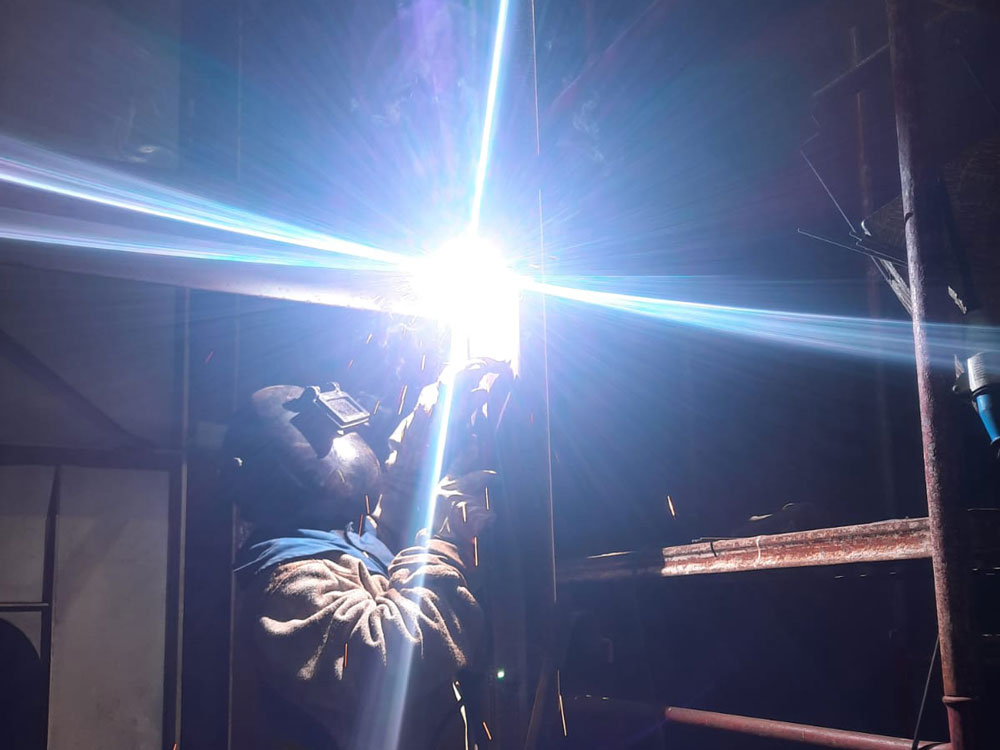
Given that container ships make very brief stops at ports, making traditional alongside maintenance difficult, Metalock Brasil has been executing these repairs while the vessels are at sea. The dedicated riding teams comprise welding and platework specialists who operate simultaneously in multiple holds, using scaffolding systems that often exceed the height of seven-story buildings.
In the first half of 2025 alone, Metalock says its teams carried out onboard cell guide repairs while vessels were trading between Santos and Rio Grande, Rio de Janeiro and Santos, and Santos and Santo Antônio in Chile.
Seatrium secures FSRU conversion contract
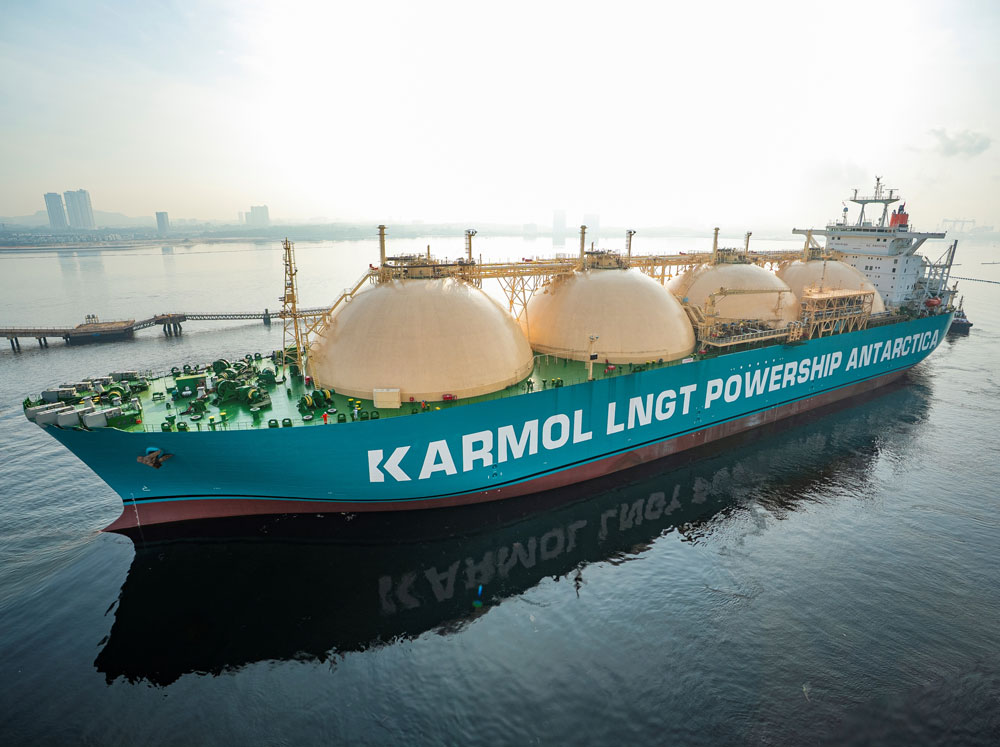
Singapore-based Seatrium Limited has been awarded a floating storage regasification unit (FSRU) conversion contract by Karpowership’s Kinetics business division. Scheduled to commence in Q3 2025, the project involves the conversion of an LNG carrier into an FSRU named LNGT Turkiye. The scope of work includes the installation of a regasification module and a spread-mooring system, and integration of key supporting systems such as cargo-handling, offloading, utility, electrical and automation systems.
Currently, two more FSRU conversion projects for Kinetics are in progress at the Seatrium yard, with deliveries scheduled later this year and in Q1 2026.
Hafnia drydocks 13 vessels in six-month period
Tanker operator Hafnia has completed the drydocking of 13 of its vessels over the first half of 2025, undertaking various repairs, special surveys and upgrade works. The vessels concerned were Hafnia Amber, Hafnia Falcon, Hafnia Almandine, Hafnia Valentino, Hafnia Viridian, Hafnia Nordica, Hafnia Andesine, Hafnia Bering, Hafnia Aventurine, Hafnia Ametrine, Hafnia Aquamarine, Hafnia Amethyst, and Hafnia Aronaldo. The vessels underwent Special Renewal Surveys in collaboration with classification societies, including ABS, DNV and Lloyd’s Register. For tankers approaching their 15th year of service, CAP Hull and Machinery Surveys were also conducted.
All of the chemical tankers received a full or partial recoating of their cargo oil tanks with Advanced Polymer Coatings’ MarineLine systems, and were upgraded with new stainless steel common, nitrogen and tank washing lines, with a dehumidifier for tank ventilation and the installation of an extra fixed tank washing machine. The vessels also benefitted from the application of high-performance silicone-based hull coatings to help ensure compliance with IMO’s EEXI and CII measures, while other work included propeller enhancements, with graphene coatings, and the installation of energy saving Propeller Boss Cap Fin devices. Additionally, Alfa Laval BWTS units were installed and steam heating coil systems repairs carried out.
A further seven vessels are scheduled to undergo similar drydockings over the next few months. These include Hafnia Axinite, Hafnia Ammolite, Hafnia Azurite, Hafnia Violette, Hafnia Australia, Hafnia Africa and Hafnia Magellan.
Offshore wind turbines and battery-powered support vessels seem a perfect match, promising reduced fossil fuel use and a holistic solution for the wind power industry’s success. However, can batteries – whether in a hybrid diesel-electric set-up or installed as a standalone solution – provide enough power for an 80m+ service operation vessel (SOV) to compete with similarly sized, diesel-powered units?
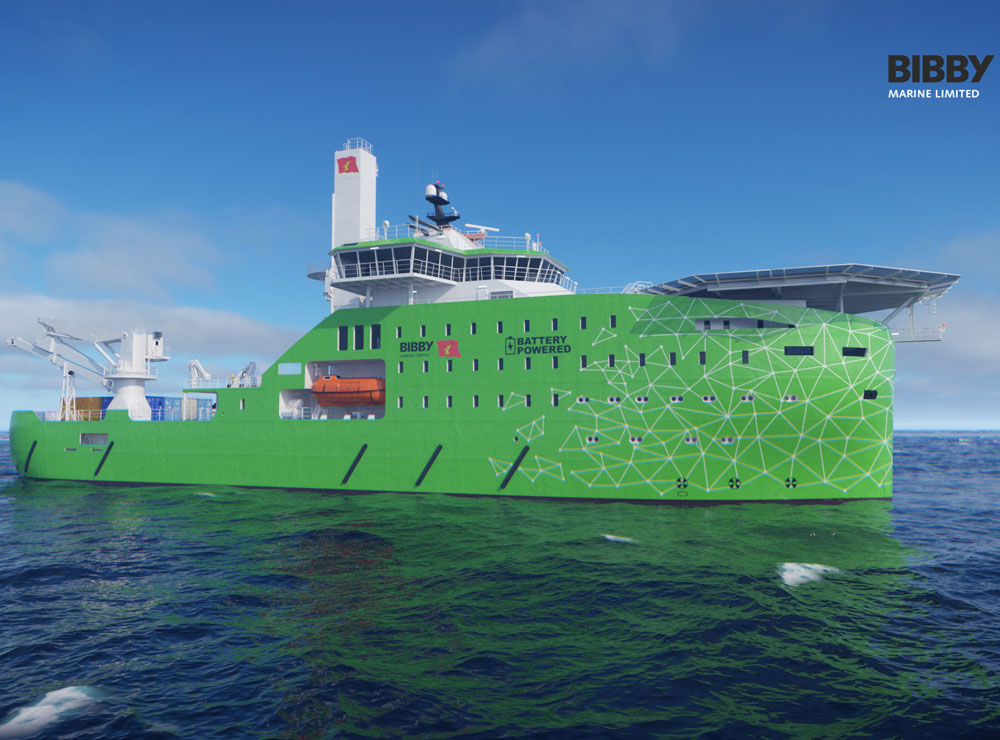
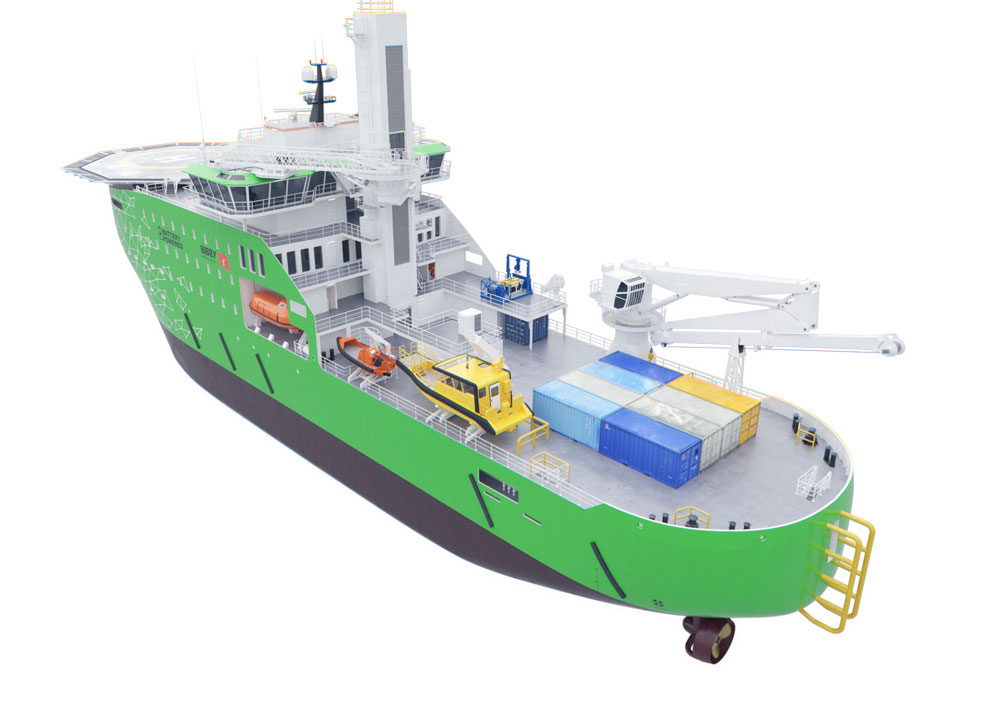
That’s the challenge accepted by offshore services provider Bibby Marine, inspiring the development of its 89.6m electric commissioning SOV (eCSOV) concept. Incorporating dual-fuel engines and possibly the largest battery pack in this sector, the vessel is poised to overturn quite a few assumptions about what batteries can and cannot do in the field. With the ability to operate emissions-free for more than 24 hours in DP mode, and to recharge directly at windfarms in less than five hours, the eCSOV’s goal is to slash CO2 emissions while still effectively competing with traditional, conventionally fuelled SOVs.
Having completed the concept design in partnership with UK-based naval architects Longitude Engineering, Bibby Marine progressed to basic design and model testing with Spanish ship designer Seaplace. The keel for the eCSOV was laid by Spanish shipbuilder Astilleros Armon in July 2025, with delivery scheduled for mid-2027.
Gavin Forward, head of newbuild projects at BibbyMarine, tells The Naval Architect: “The eCSOV has been designed with maximum operational flexibility, capable of running on diesel, green methanol or battery power — and seamlessly switching between them without any loss of efficiency or operability. While electrification may not suit all maritime applications, it aligns exceptionally well with the operational profile of CSOVs, particularly in terms of predictable, daily power demand in-field.”
The vessel’s flexibility in fuel choice is crucial for now, given current gaps in shore-based charging infrastructure. “Once shore and offshore charging become standard, we could put the whole operational envelope under battery power,” says Forward. “Globally, most wind farms are located within 40nm of port and we have a range of over 130nm on battery power. We would never have to use any fuel – but, in reality, we just don’t have that shore power availability in the UK right now. So, the idea is to sail to the windfarm on traditional fuel or green methanol; then operate in-field on electric power, before sailing back to port on fuel; and then conducting all port operations on batteries with zero emissions.”
Key to the success of electrification of offshore wind operations is the ability to charge the vessel directly in-field. Several suppliers are working on solutions, with some prototypes and smaller CTV charging systems having been deployed by the likes of Stillstrom, MJR Power & Automation, Oasis and Seaonics, to name but a few.
Typically, the offshore charging system would be mounted on a turbine, a monopile, a substation or an on-site buoy. Forward reveals: “We’ve been trialling all solutions and approaches, so that we’re prepared for whatever becomes the industry standard. We think installing the charging system on the monopile is going to be the best technical option, but it depends on how developers want to set up their fields.” The eCSOV will remain in DP mode for charging, maintaining positioning on battery power and obtaining a full state of charge in less than five hours, with a once-per-day charging cycle.
The eCSOV is designed to primarily operate on battery power, with the engines only being used to charge the battery pack where offshore charging is not available, or during longer transits. The dual-fuel engines run at a fixed, optimised load and speed, and recharge the batteries when required, rather than directly powering the vessel or using the batteries to supplement engine power, which is a more typical approach in hybrid set-ups. Bibby Marine has calculated that the eCSOV’s 24.4MWh lithium iron phosphate battery pack can run for more than 24hours between charges in calm conditions; for more than 20 hours in a medium sea state; and for more than 15 hours in rough conditions.
For the full, in-depth story and technical particulars, check out the August 2025 issue of The Naval Architect
Nominate a colleague, a mentee or a friend for one of our prestiguous Naval Architecture Awards. Chosen by our Committees, the winners will be announced at our Annual Dinner attended by more than 300 maritime professionals, industry leaders and academics. Taking place on 28th May, this will be an evening of celebration at the historic De Vere Grand Connaught Rooms in London.
Nominations deadline: on 31st December. Award categories include Innovation, Safety and Diversity.